

R098
Silent Avalanche Protocol
1980 Ford Fairmont
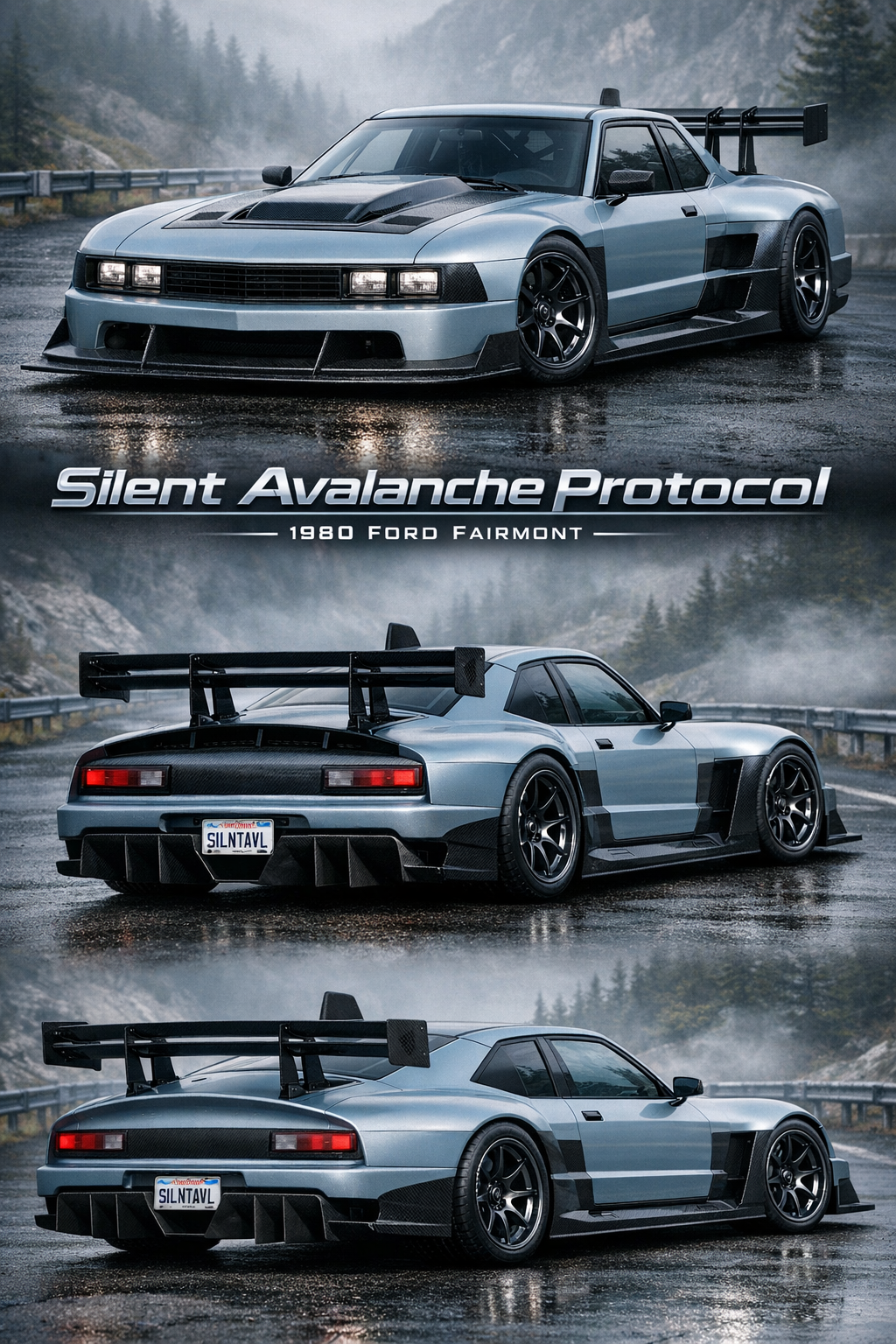
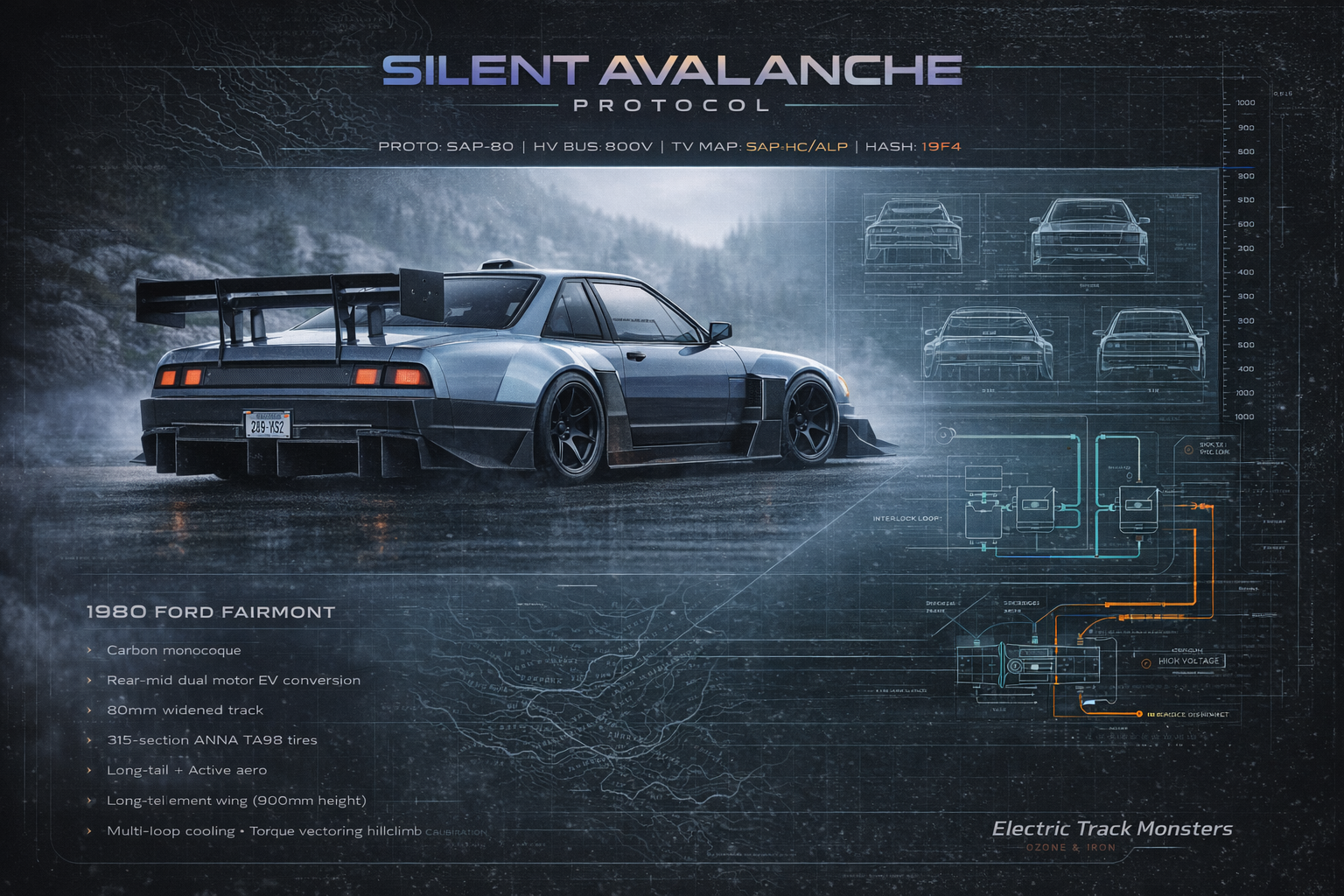
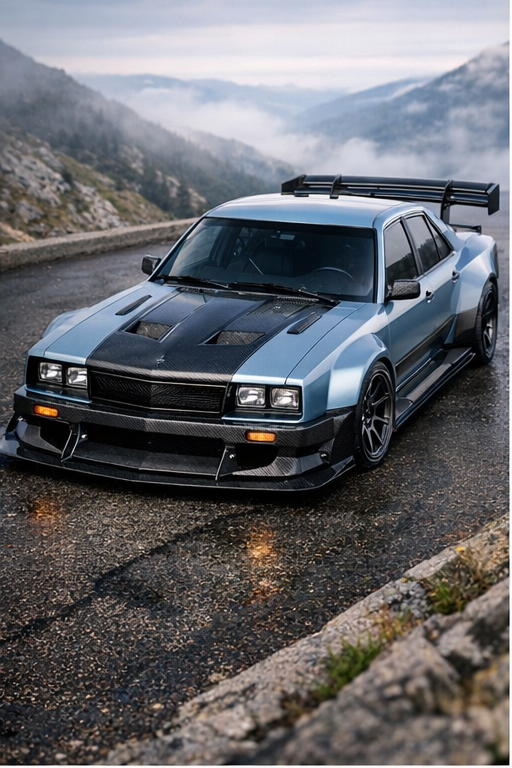
The Silent Avalanche Protocol transforms the unassuming 1980 Ford Fairmont into an electric-powered hill climb prototype, pushing the boundaries of endurance racing engineering. Its full carbon monocoque chassis integrates a rear mid-engine layout with dual electric motors, dramatically shifting the wheelbase rearward to optimize weight distribution and handling. The widened track and aggressive stance accommodate 315-section tires, delivering immense mechanical grip on alpine tarmac.
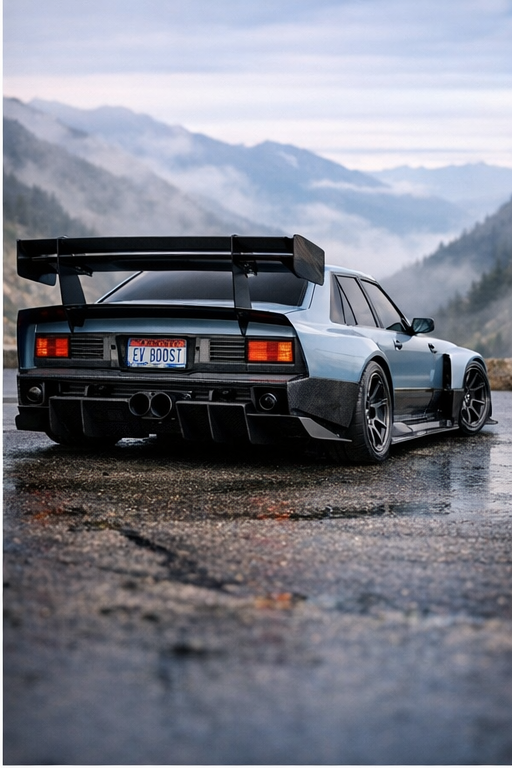
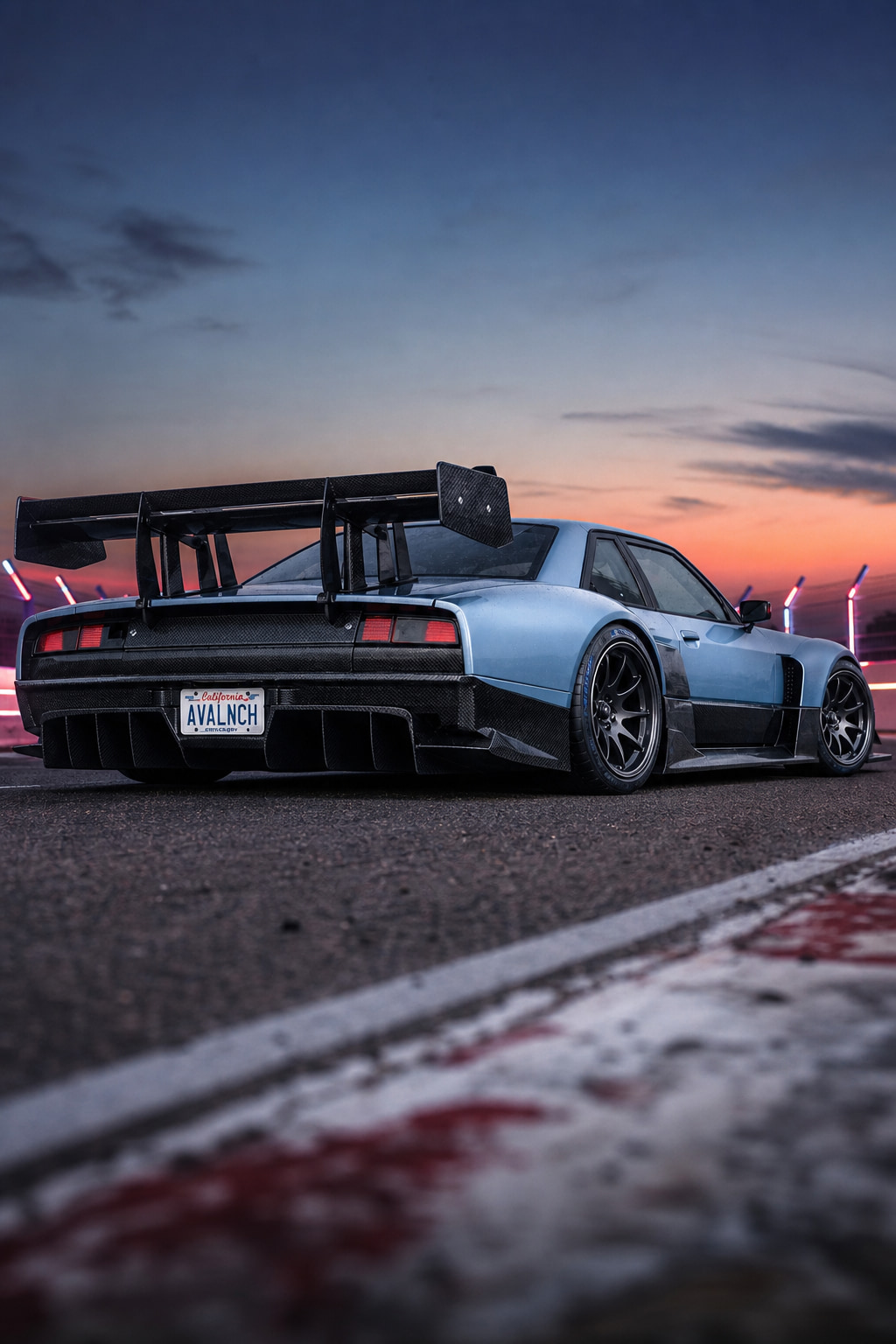
Body modifications sculpt airflow around the car’s thermal management systems, with expansive sidepods and a long-tail rear that houses active aero elements including a triple-element wing towering 900mm above the decklid. Satin matte ice blue paint with chameleon pearl flakes contrasts exposed carbon fiber panels, emphasizing the build’s technical precision and stealthy presence on mist-shrouded hill climb courses.
Release Image Studies
Platform transformation, examined from every angle.
Comparison Shots
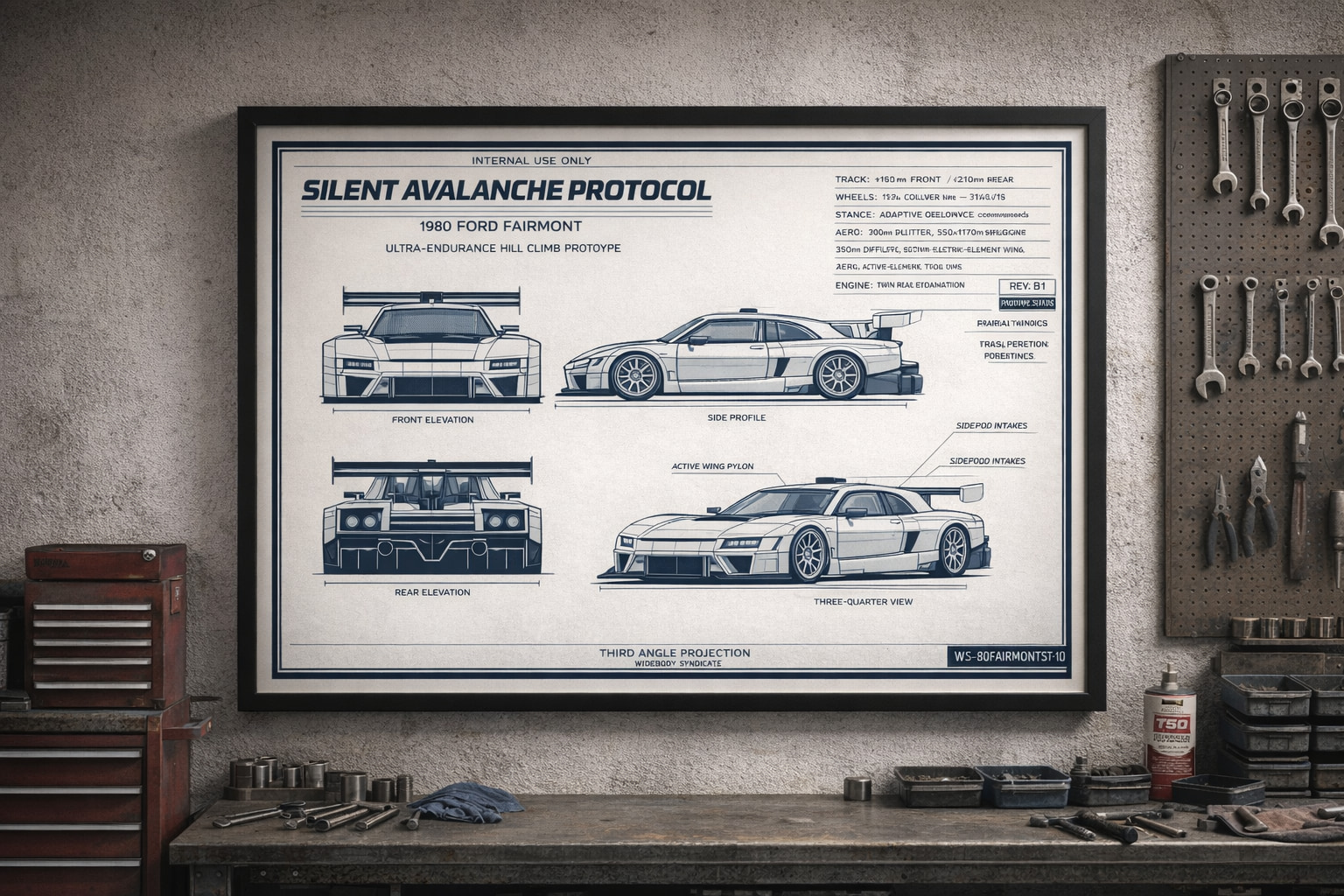
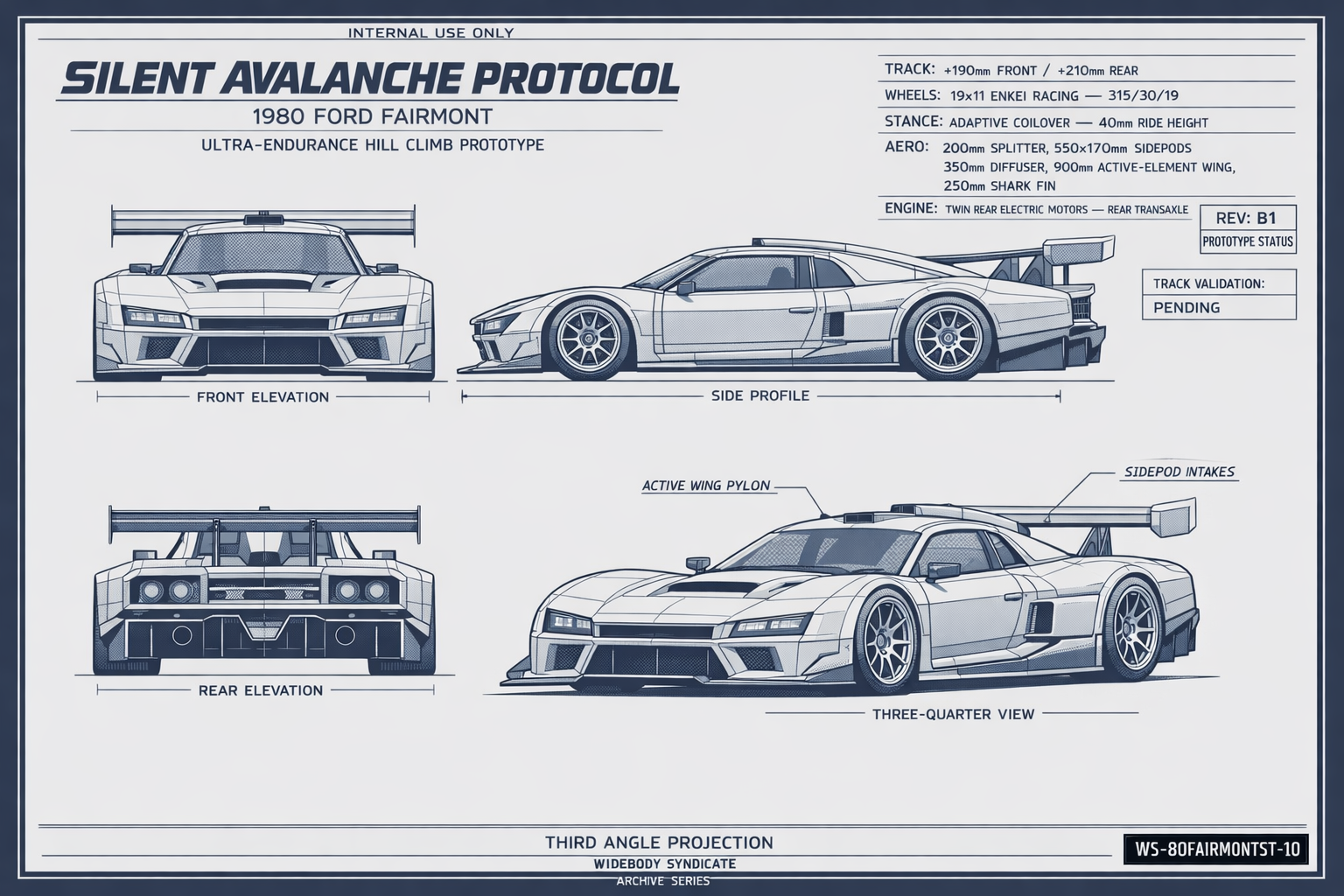
Blueprint / Collector Archive
Engineering record. Exhibition artifact.
The technical study and collectible interpretation of one build, preserved together.
Technical Dossier
Platform
1980 Ford Fairmont
The 1980 Ford Fairmont stands as a quintessential example of American midsize sedans from the turn of the decade, blending straightforward design with robust engineering. Built on Ford's Fox platform, it features a boxy yet balanced silhouette, offering a blank canvas revered by enthusiasts for its simplicity and adaptability. Though its stock form is unassuming, the Fairmont’s chassis and suspension layout provide a solid foundation for performance upgrades and custom builds, making it a sleeper favorite in the roots of street and motorsport culture.
Aero Package
Active triple-element rear wing mounted 900mm above rear body
Deep articulated rear diffuser with vertical flow vanes
Wide shallow front splitter with ducted cooling intakes
Layered sidepod cooling intakes optimized for battery and motor thermal management
Chassis
Crafted for grueling alpine hill climbs, this build balances raw power with endurance reliability. Expanded track width and low ride height maximize mechanical grip through tight corners, while the long-tail aero package provides essential downforce and high-speed stability on downhill straights enveloped in mist and variable conditions.
Wheels & Tires
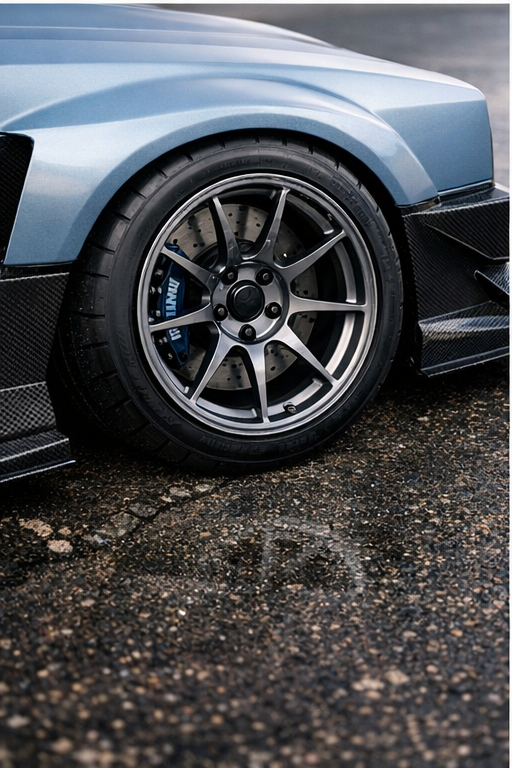
19x11 Enkei Racing forged wheels front and rear
315/30/19 high-performance tires front and rear
Adaptive coilover suspension with 40mm low ride height
Significantly widened front and rear track for enhanced grip
Powertrain
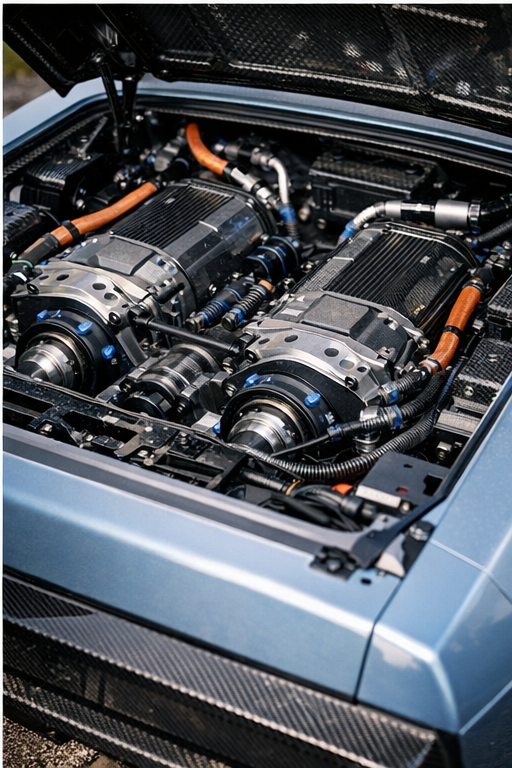
Dual rear mid-mounted electric motors with integrated transaxle
High-capacity rear battery pack within monocoque structure
Thermal management via sidepods and rooftop extractors
Regenerative braking integrated with adaptive suspension system
Fabrication Notes
Carbon fiber monocoque replaces original steel chassis for rigidity and weight savings
Wheelbase lengthened by 230mm, cabin shifted forward by 90mm
Custom widebody panels molded for aerodynamic efficiency and tire clearance
Active aero components engineered for endurance stability and dynamic load balancing

Design Philosophy
The Silent Avalanche Protocol transforms the unassuming 1980 Ford Fairmont into an electric-powered hill climb prototype, pushing the boundaries of endurance racing engineering. Its full carbon monocoque chassis integrates a rear mid-engine layout with dual electric motors, dramatically shifting the wheelbase rearward to optimize weight distribution and handling. The widened track and aggressive stance accommodate 315-section tires, delivering immense mechanical grip on alpine tarmac.
Body modifications sculpt airflow around the car’s thermal management systems, with expansive sidepods and a long-tail rear that houses active aero elements including a triple-element wing towering 900mm above the decklid. Satin matte ice blue paint with chameleon pearl flakes contrasts exposed carbon fiber panels, emphasizing the build’s technical precision and stealthy presence on mist-shrouded hill climb courses.
▧Platform+
1980 Ford Fairmont
The 1980 Ford Fairmont stands as a quintessential example of American midsize sedans from the turn of the decade, blending straightforward design with robust engineering. Built on Ford's Fox platform, it features a boxy yet balanced silhouette, offering a blank canvas revered by enthusiasts for its simplicity and adaptability. Though its stock form is unassuming, the Fairmont’s chassis and suspension layout provide a solid foundation for performance upgrades and custom builds, making it a sleeper favorite in the roots of street and motorsport culture.
⌘Aero Package+
Active triple-element rear wing mounted 900mm above rear body
Deep articulated rear diffuser with vertical flow vanes
Wide shallow front splitter with ducted cooling intakes
Layered sidepod cooling intakes optimized for battery and motor thermal management
⟡Chassis+
Crafted for grueling alpine hill climbs, this build balances raw power with endurance reliability. Expanded track width and low ride height maximize mechanical grip through tight corners, while the long-tail aero package provides essential downforce and high-speed stability on downhill straights enveloped in mist and variable conditions.
◎Wheels & Tires+
19x11 Enkei Racing forged wheels front and rear
315/30/19 high-performance tires front and rear
Adaptive coilover suspension with 40mm low ride height
Significantly widened front and rear track for enhanced grip
▤Powertrain+
Dual rear mid-mounted electric motors with integrated transaxle
High-capacity rear battery pack within monocoque structure
Thermal management via sidepods and rooftop extractors
Regenerative braking integrated with adaptive suspension system
△Fabrication Notes+
Carbon fiber monocoque replaces original steel chassis for rigidity and weight savings
Wheelbase lengthened by 230mm, cabin shifted forward by 90mm
Custom widebody panels molded for aerodynamic efficiency and tire clearance
Active aero components engineered for endurance stability and dynamic load balancing
×Design Philosophy+
The Silent Avalanche Protocol transforms the unassuming 1980 Ford Fairmont into an electric-powered hill climb prototype, pushing the boundaries of endurance racing engineering. Its full carbon monocoque chassis integrates a rear mid-engine layout with dual electric motors, dramatically shifting the wheelbase rearward to optimize weight distribution and handling. The widened track and aggressive stance accommodate 315-section tires, delivering immense mechanical grip on alpine tarmac.
Body modifications sculpt airflow around the car’s thermal management systems, with expansive sidepods and a long-tail rear that houses active aero elements including a triple-element wing towering 900mm above the decklid. Satin matte ice blue paint with chameleon pearl flakes contrasts exposed carbon fiber panels, emphasizing the build’s technical precision and stealthy presence on mist-shrouded hill climb courses.
Part of
Wave 17
Electric Track Monsters
Alright, buckle up because we just zapped a lightning bolt straight into the heart of muscle and prototype racing history. Here in our lab, we took absolute legends like the Dodge Aries and Ford Fairmont—cars that once ruled the gas hustle—and surgically rewrote their DNA for a brutal all-electric takeover.
Explore Wave 17 → 6 BuildsKeep Exploring
The archive is always growing. New releases, waves, and blueprints added regularly.