

R059
Garbage Burner
1968 Lamborghini Miura P400
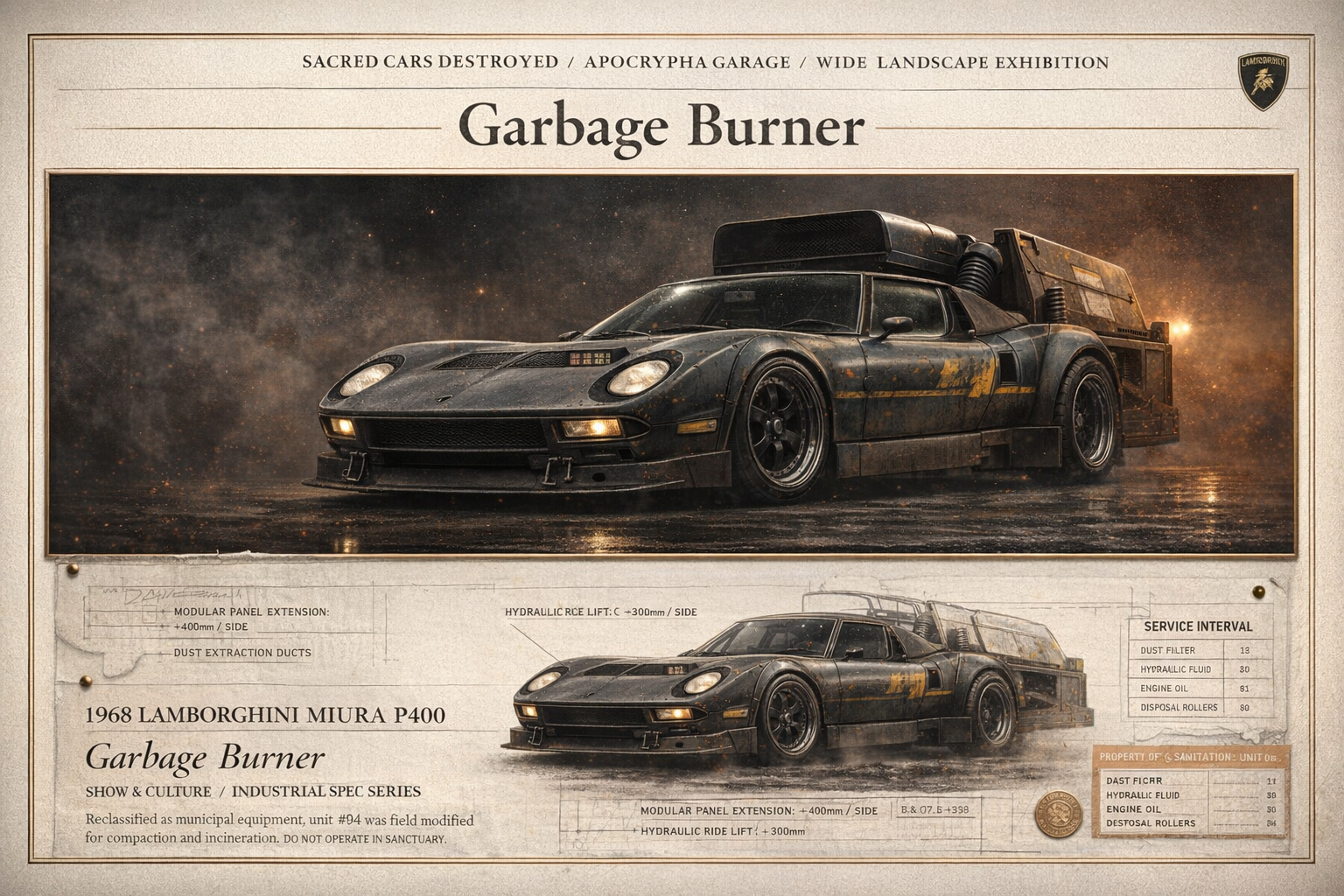
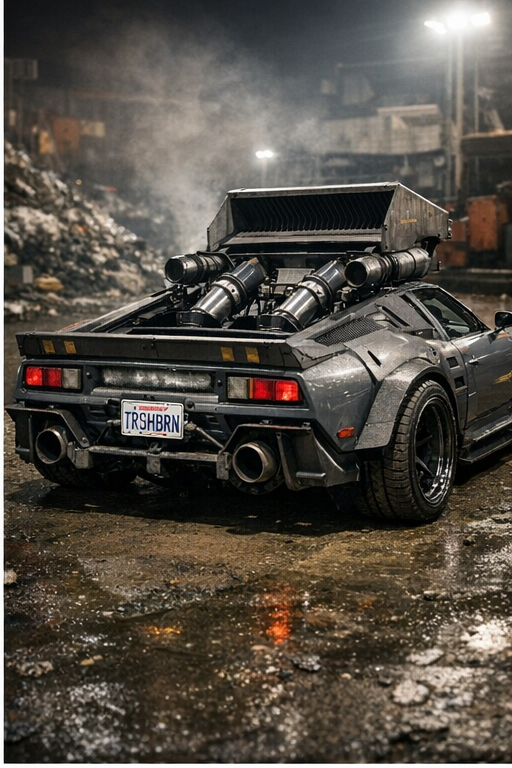
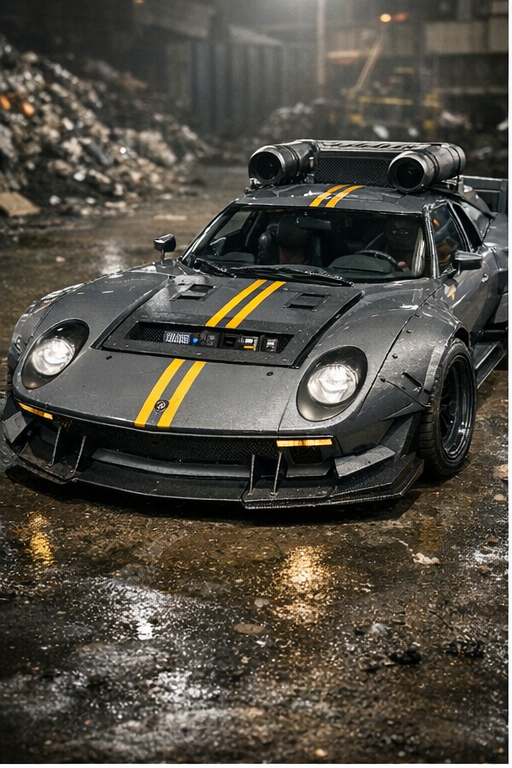
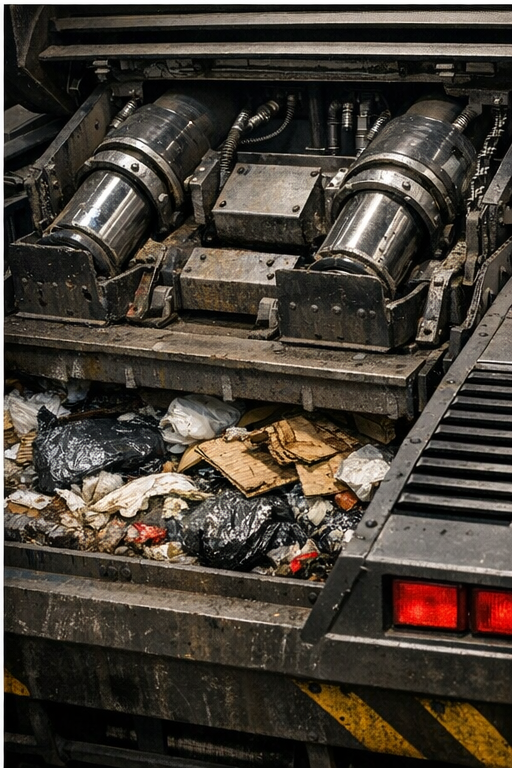
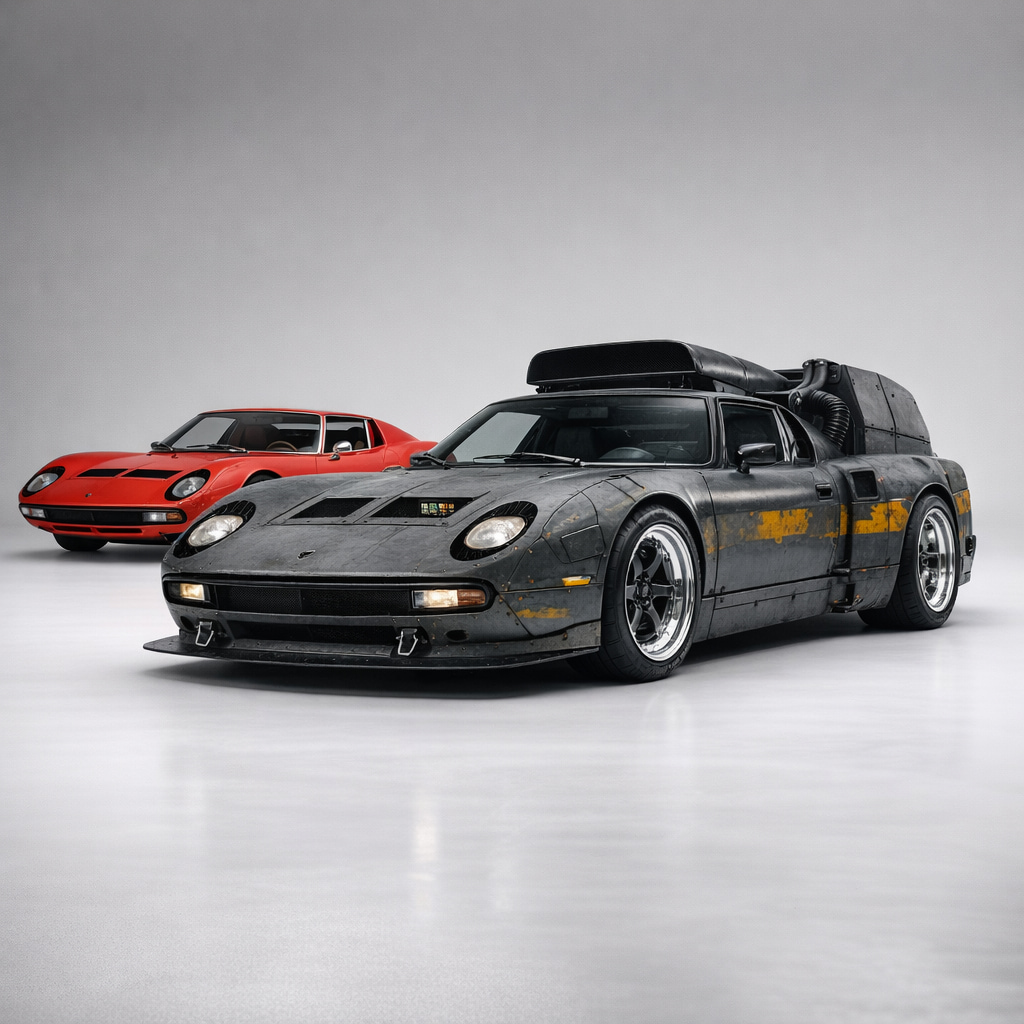
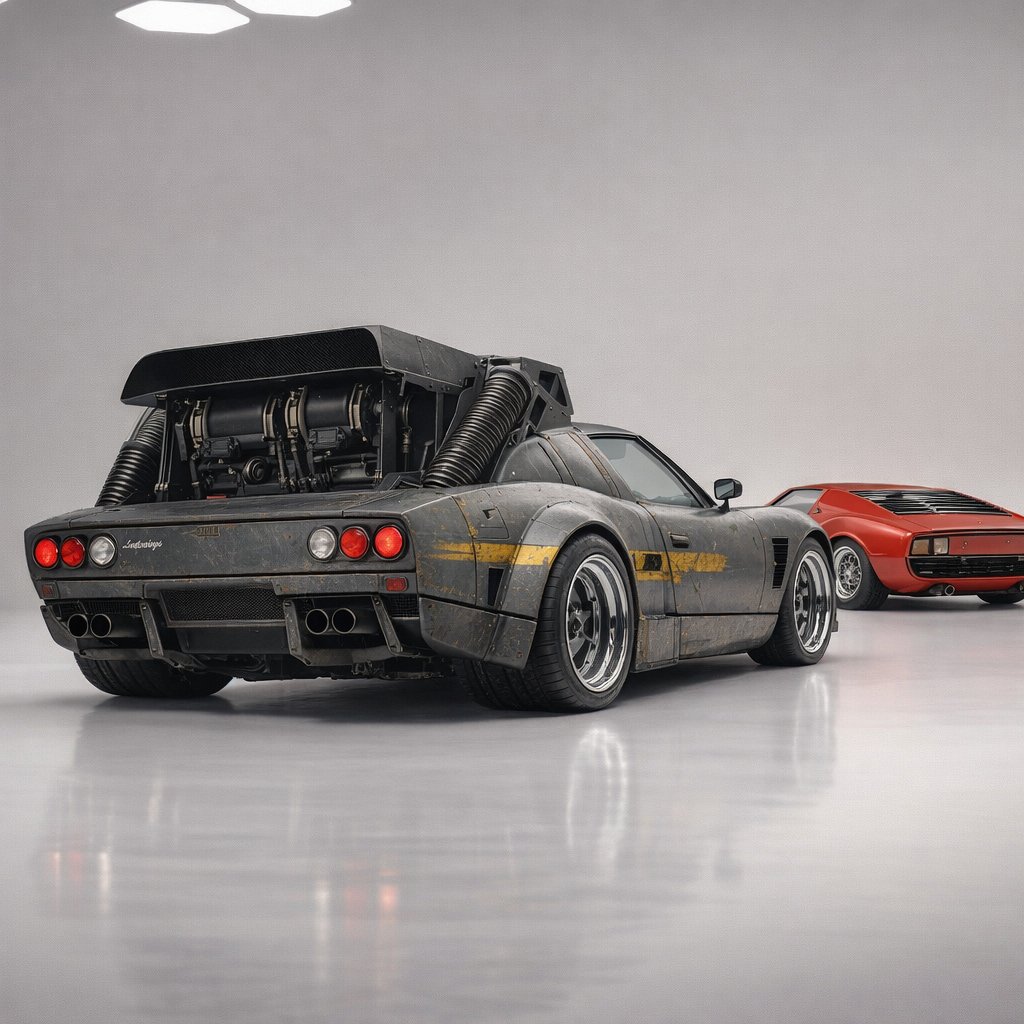
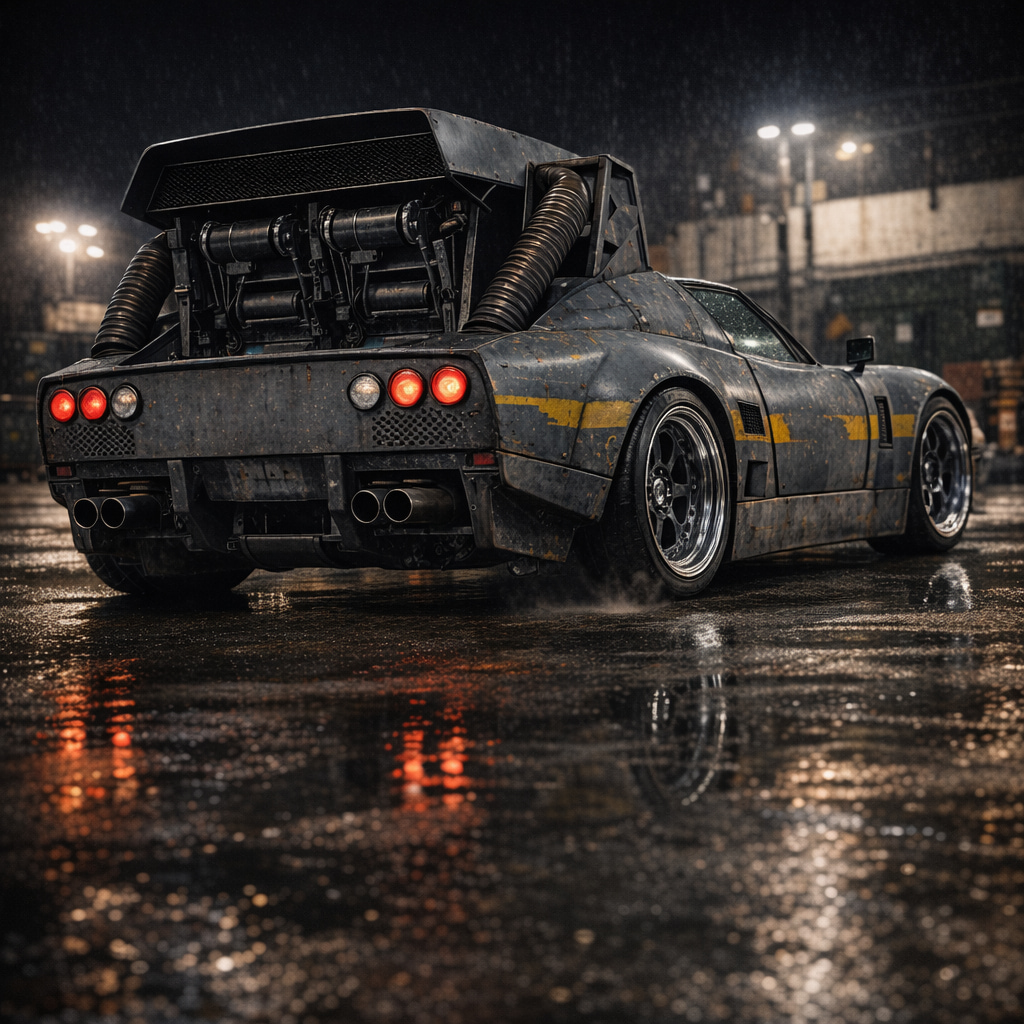
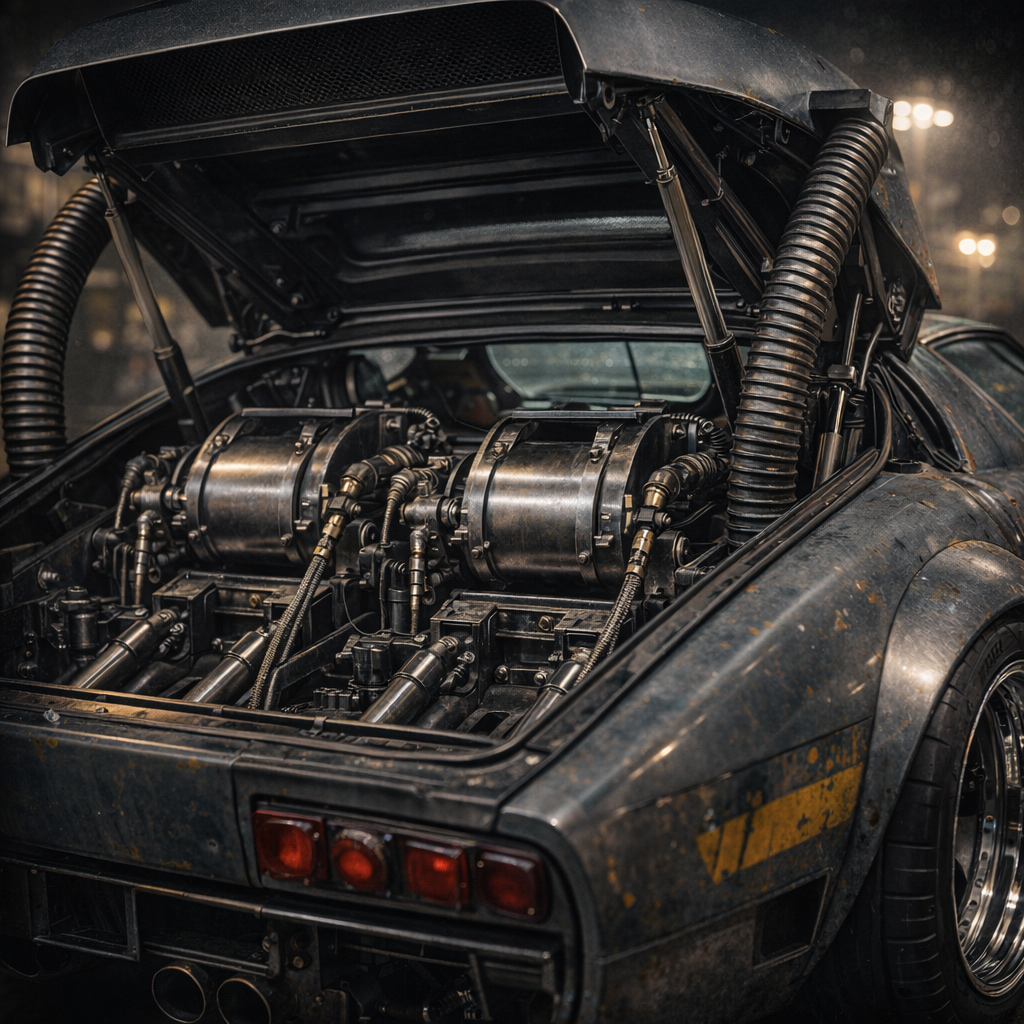
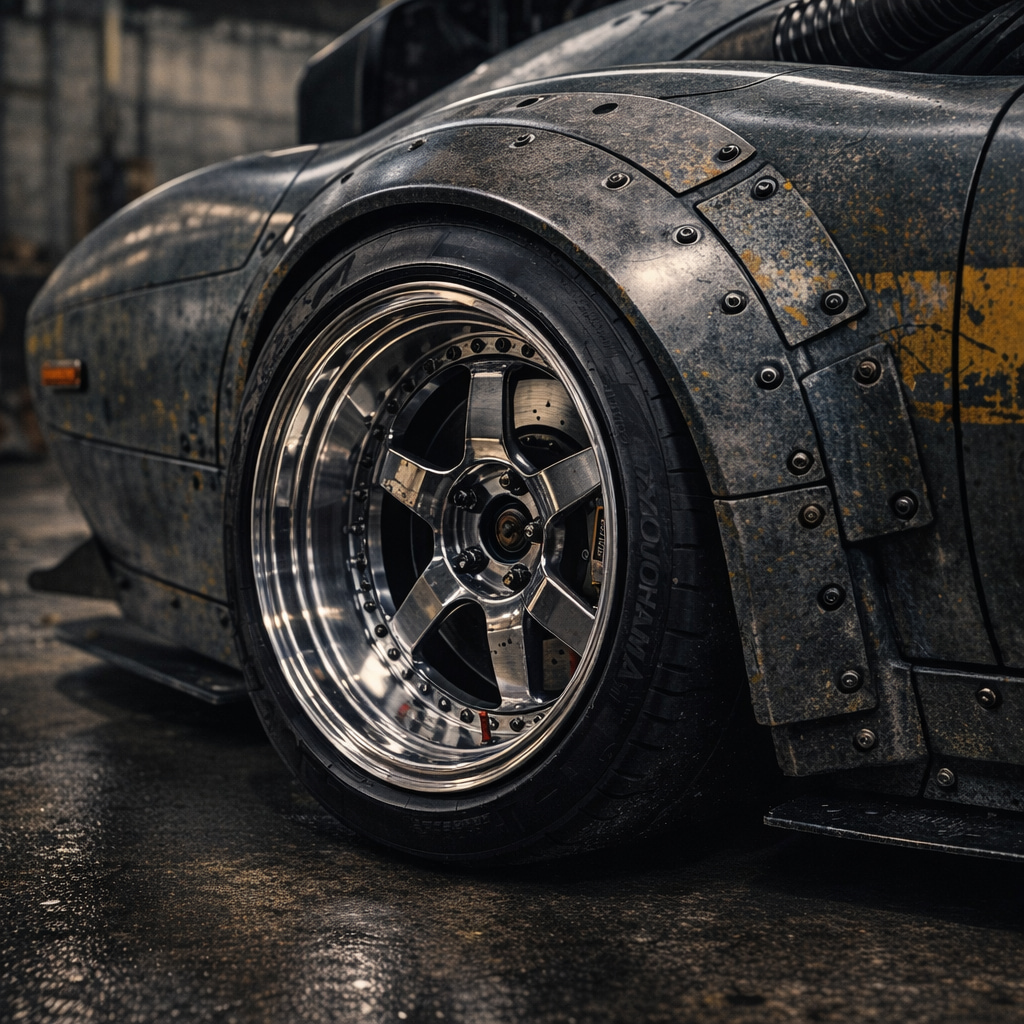
The Garbage Burner is a radical reimagining of the 1968 Lamborghini Miura P400, transforming the sleek Italian supercar into an industrial brute designed for urban show and spectacle. Its silhouette is pushed to monstrous widths, with modular panels extending 400mm per side, integrating functional trash compactor elements and dust extraction ducts that clash boldly with the Miura's original elegance. The hood is replaced by a flat, reinforced steel panel featuring cooling slots and a digital display, while the rear hatch expands vertically to reveal twin-motor compactors, capped by a giant industrial air scoop in place of a traditional wing. The stance is lifted 300mm on hydraulics, balancing city clearance with stiff springs for show jumping prowess.
Release Image Studies
Platform transformation, examined from every angle.
Comparison Shots
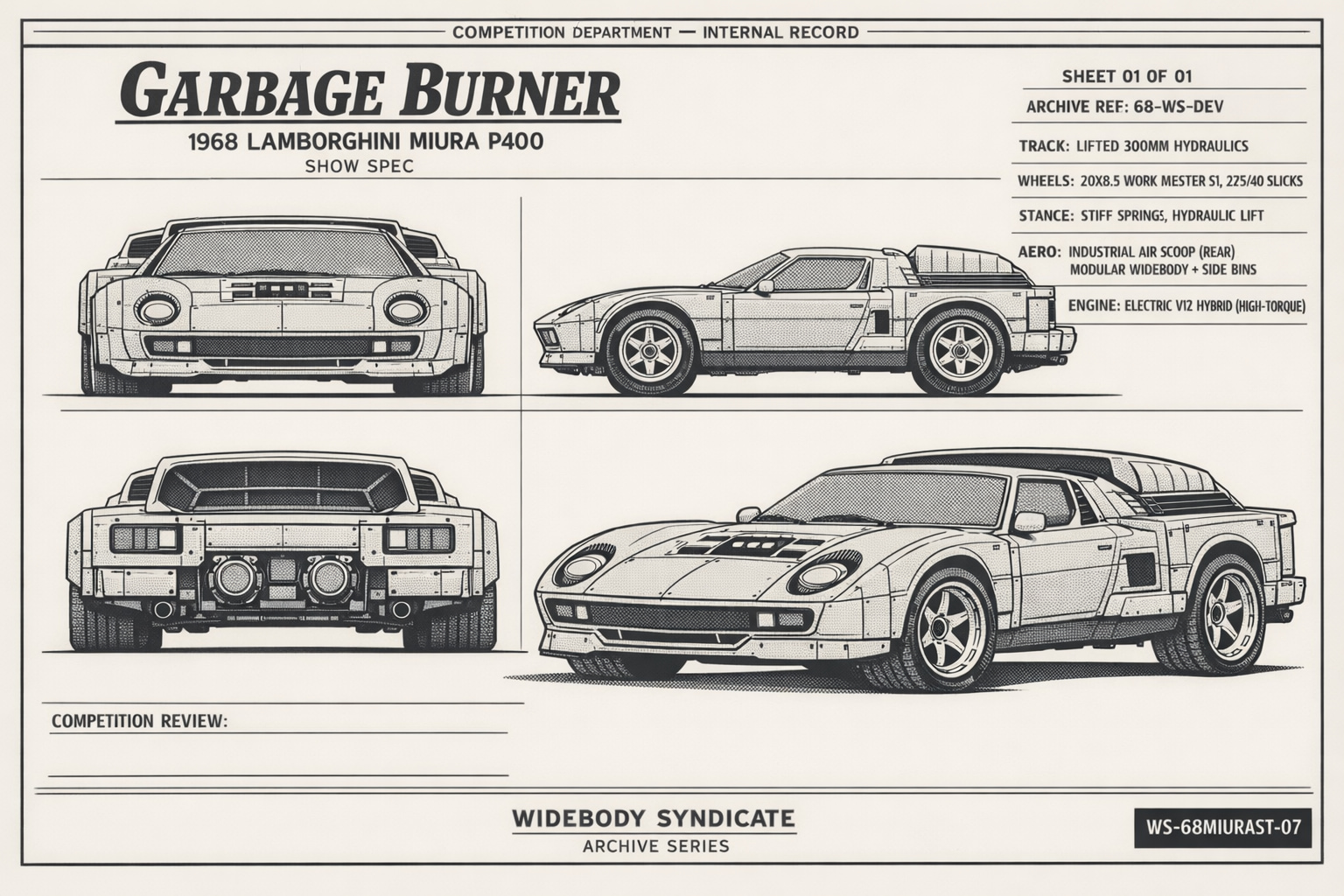
Blueprint / Collector Archive
Engineering record. Exhibition artifact.
The technical study and collectible interpretation of one build, preserved together.
Technical Dossier
Platform
1968 Lamborghini Miura P400
The 1968 Lamborghini Miura P400 is an icon of automotive history, widely recognized as the world’s first supercar that truly defined the modern mid-engine layout. Its transverse-mounted V12 and sleek, sensuous design by Marcello Gandini set new benchmarks for performance and style in the late ’60s. Beyond its exotic looks, the Miura’s lightweight spaceframe chassis and advanced suspension gave it a race-bred agility that transformed grand touring expectations and inspired generations of high-performance vehicles to come.
Aero Package
Massive industrial air scoop replacing rear wing
Dust extraction ducts integrated into side panels
Chassis
Though not built for traditional circuits, the Garbage Burner’s setup focuses on urban obstacle clearance and show jumping displays. Its lifted hydraulic suspension offers 300mm of clearance, stiffened springs provide stability during jumps, and the wide track width ensures maximum traction and presence on any surface, turning city environments into theatrical stages.
Wheels & Tires
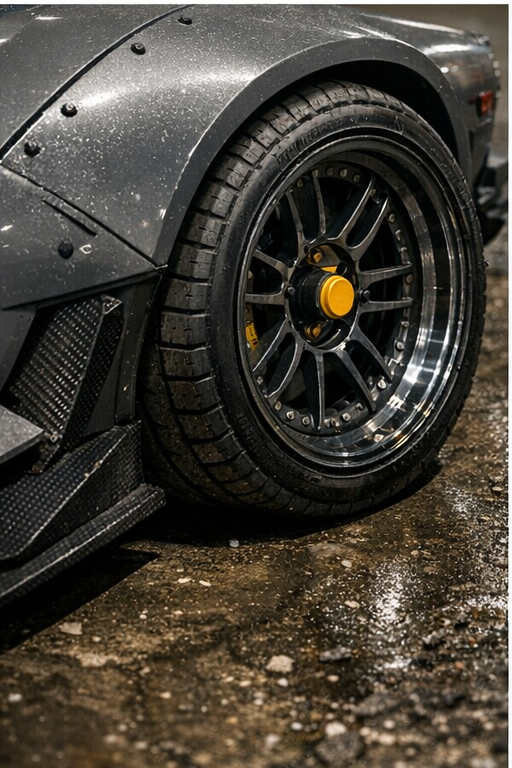
Custom 20x8.5-inch wheels
Chromed WORK Meister S1 rims
Yokohama slick tires sized 275/40
Powertrain
High-torque electric V12 hybrid unit
Focus on torque delivery for low-speed bursts
Electric motors supplement combustion for urban utility
Fabrication Notes
Hydraulically lifted 300mm stance with stiff springs for show jumps
Fully modular panel construction for quick assembly and maintenance
Industrial-grade steel reinforcement on hood and chassis
Custom hydraulic systems integrated into bodywork
Design Philosophy
The Garbage Burner is a radical reimagining of the 1968 Lamborghini Miura P400, transforming the sleek Italian supercar into an industrial brute designed for urban show and spectacle. Its silhouette is pushed to monstrous widths, with modular panels extending 400mm per side, integrating functional trash compactor elements and dust extraction ducts that clash boldly with the Miura's original elegance. The hood is replaced by a flat, reinforced steel panel featuring cooling slots and a digital display, while the rear hatch expands vertically to reveal twin-motor compactors, capped by a giant industrial air scoop in place of a traditional wing. The stance is lifted 300mm on hydraulics, balancing city clearance with stiff springs for show jumping prowess.
▧Platform+
1968 Lamborghini Miura P400
The 1968 Lamborghini Miura P400 is an icon of automotive history, widely recognized as the world’s first supercar that truly defined the modern mid-engine layout. Its transverse-mounted V12 and sleek, sensuous design by Marcello Gandini set new benchmarks for performance and style in the late ’60s. Beyond its exotic looks, the Miura’s lightweight spaceframe chassis and advanced suspension gave it a race-bred agility that transformed grand touring expectations and inspired generations of high-performance vehicles to come.
⌘Aero Package+
Massive industrial air scoop replacing rear wing
Dust extraction ducts integrated into side panels
⟡Chassis+
Though not built for traditional circuits, the Garbage Burner’s setup focuses on urban obstacle clearance and show jumping displays. Its lifted hydraulic suspension offers 300mm of clearance, stiffened springs provide stability during jumps, and the wide track width ensures maximum traction and presence on any surface, turning city environments into theatrical stages.
◎Wheels & Tires+
Custom 20x8.5-inch wheels
Chromed WORK Meister S1 rims
Yokohama slick tires sized 275/40
▤Powertrain+
High-torque electric V12 hybrid unit
Focus on torque delivery for low-speed bursts
Electric motors supplement combustion for urban utility
△Fabrication Notes+
Hydraulically lifted 300mm stance with stiff springs for show jumps
Fully modular panel construction for quick assembly and maintenance
Industrial-grade steel reinforcement on hood and chassis
Custom hydraulic systems integrated into bodywork
×Design Philosophy+
The Garbage Burner is a radical reimagining of the 1968 Lamborghini Miura P400, transforming the sleek Italian supercar into an industrial brute designed for urban show and spectacle. Its silhouette is pushed to monstrous widths, with modular panels extending 400mm per side, integrating functional trash compactor elements and dust extraction ducts that clash boldly with the Miura's original elegance. The hood is replaced by a flat, reinforced steel panel featuring cooling slots and a digital display, while the rear hatch expands vertically to reveal twin-motor compactors, capped by a giant industrial air scoop in place of a traditional wing. The stance is lifted 300mm on hydraulics, balancing city clearance with stiff springs for show jumping prowess.
Part of
Wave 10
Sacred Cars Destroyed
Alright, buckle up because we just kicked the sacred cows out of the pasture and strapped on some serious armor and attitude. Our builds here take iconic legends from the annals of automotive reverence and throw them headfirst into alternate realities where the rules got tossed in the mud.
Explore Wave 10 → 6 BuildsKeep Exploring
The archive is always growing. New releases, waves, and blueprints added regularly.