
Different origins. Sacred Cars
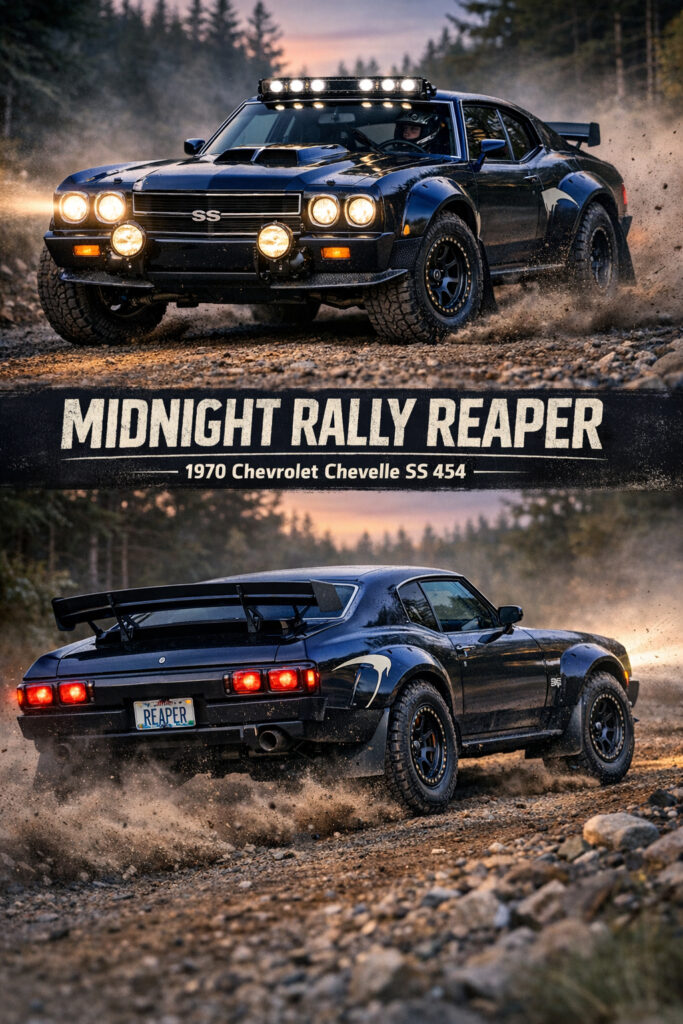
1970 Chevrolet Chevelle SS 454
7 photos
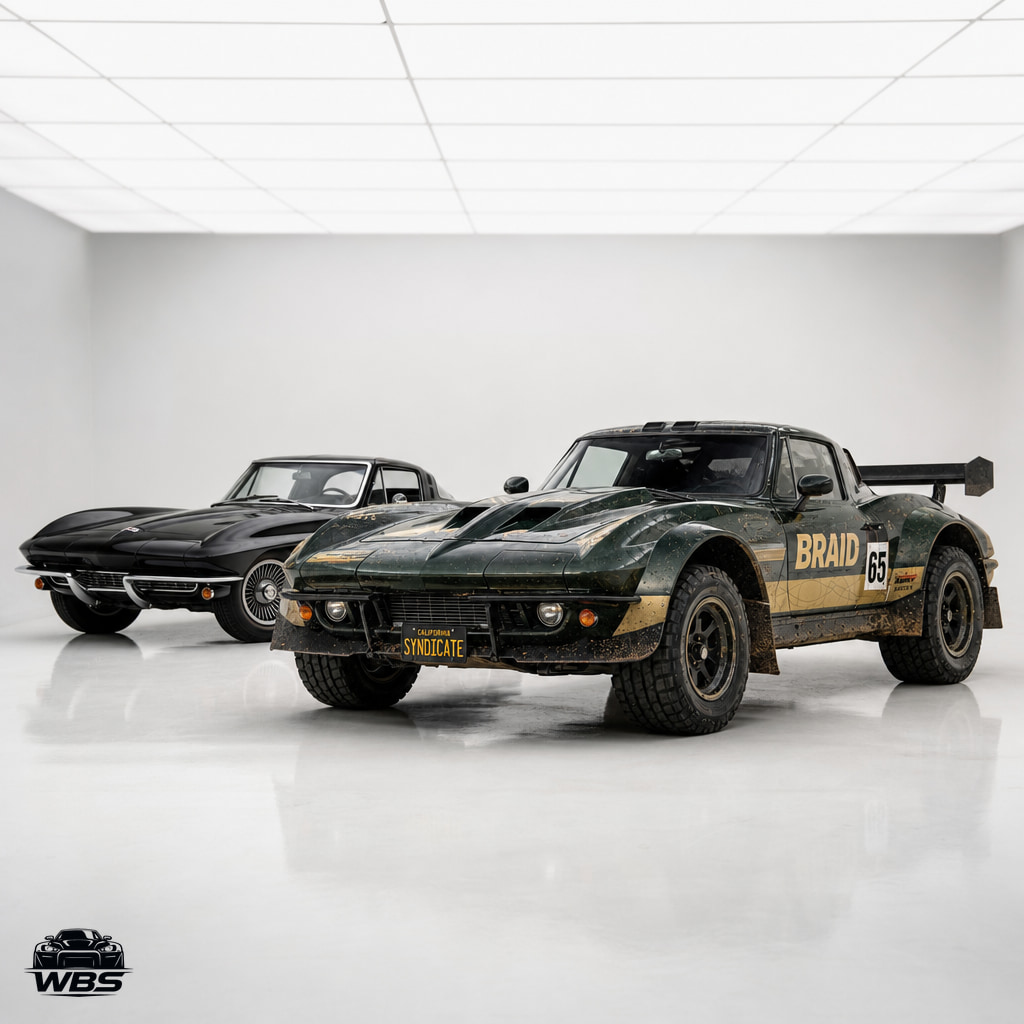
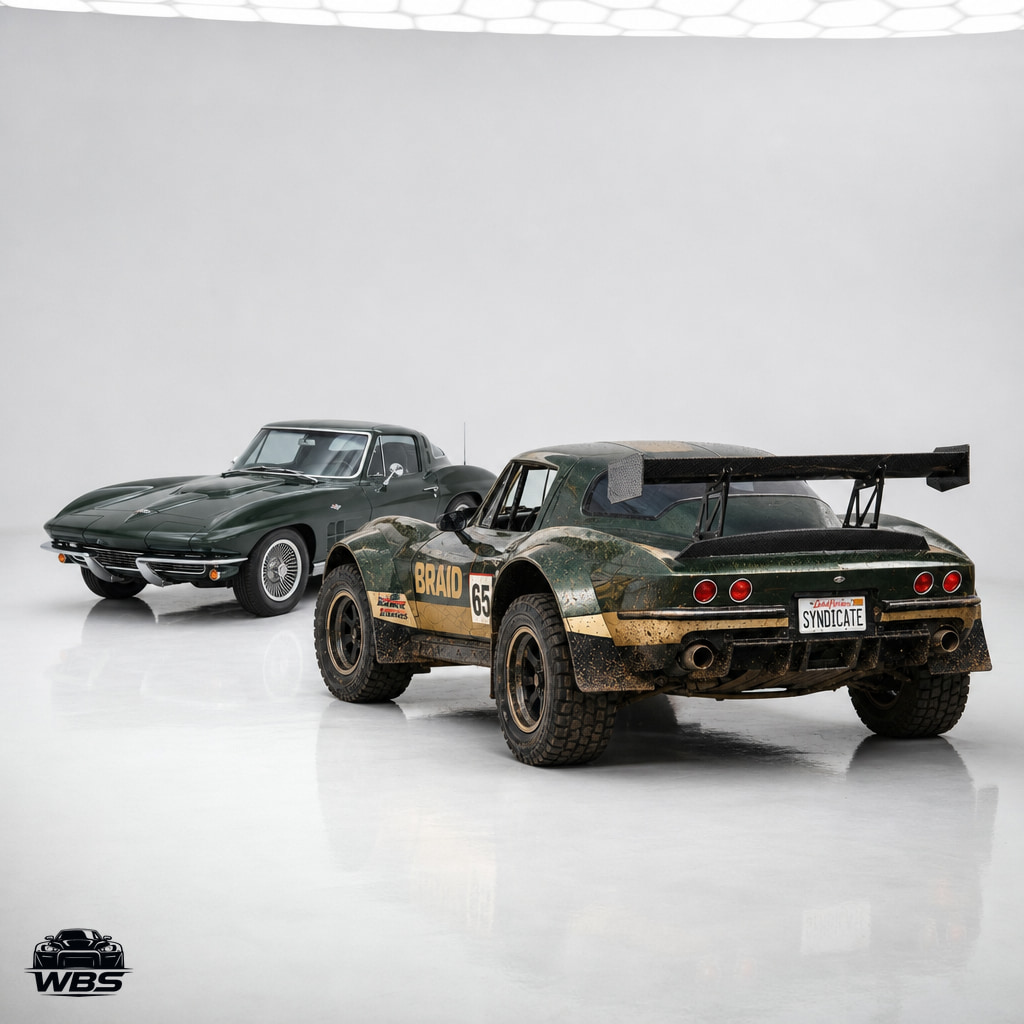
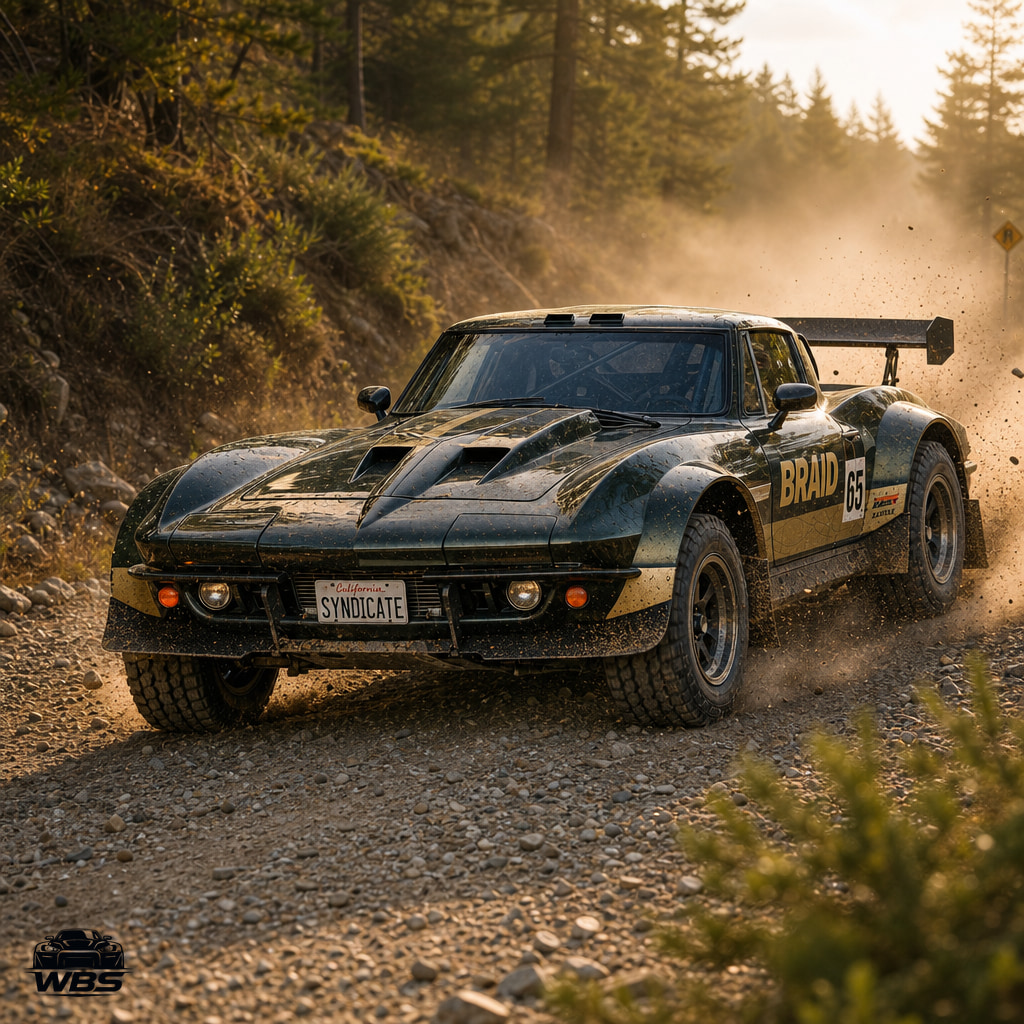
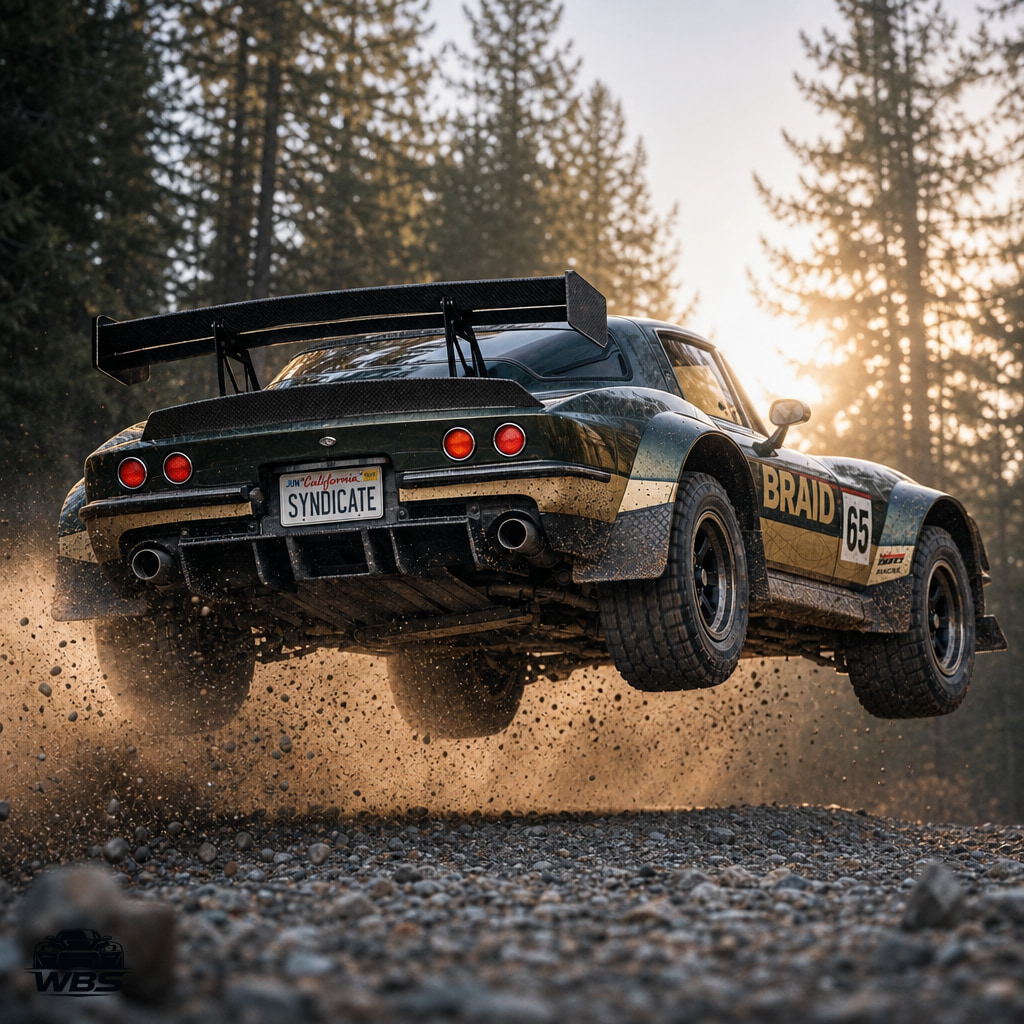
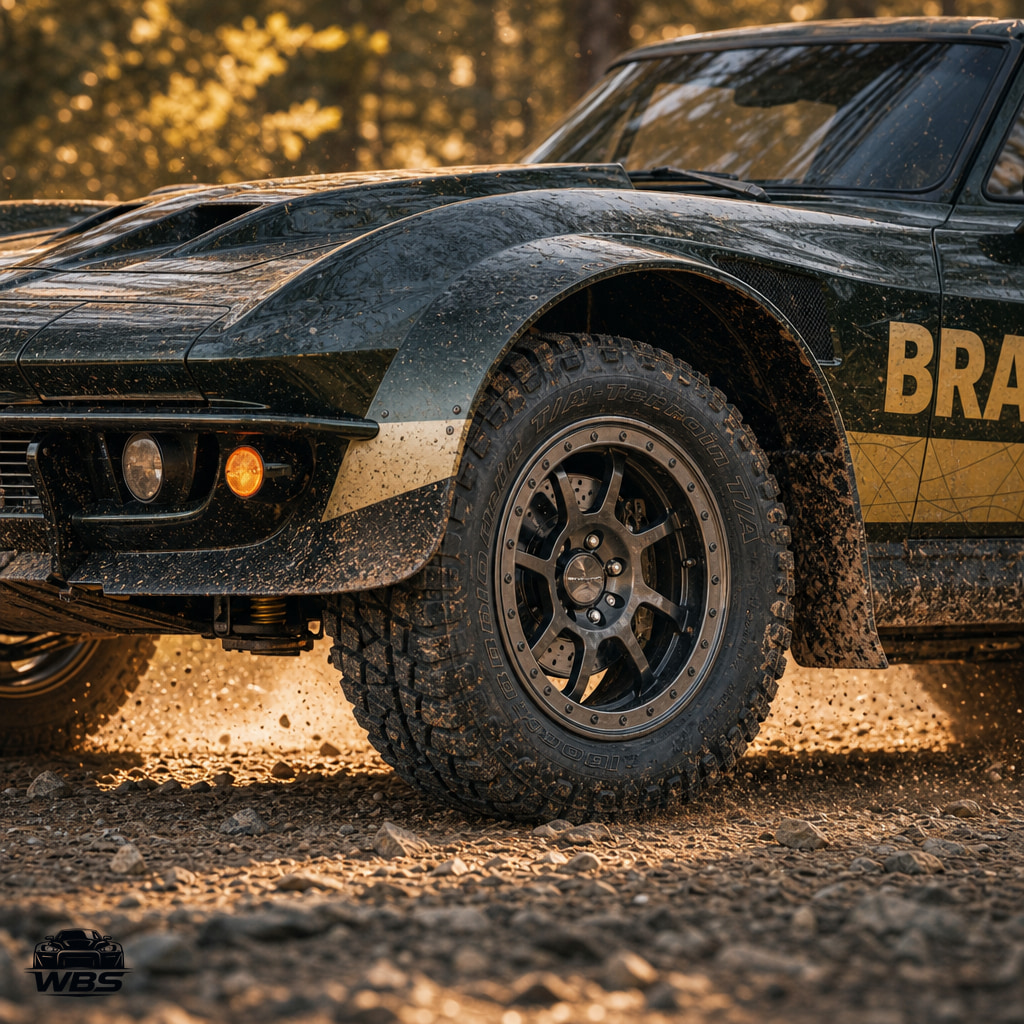
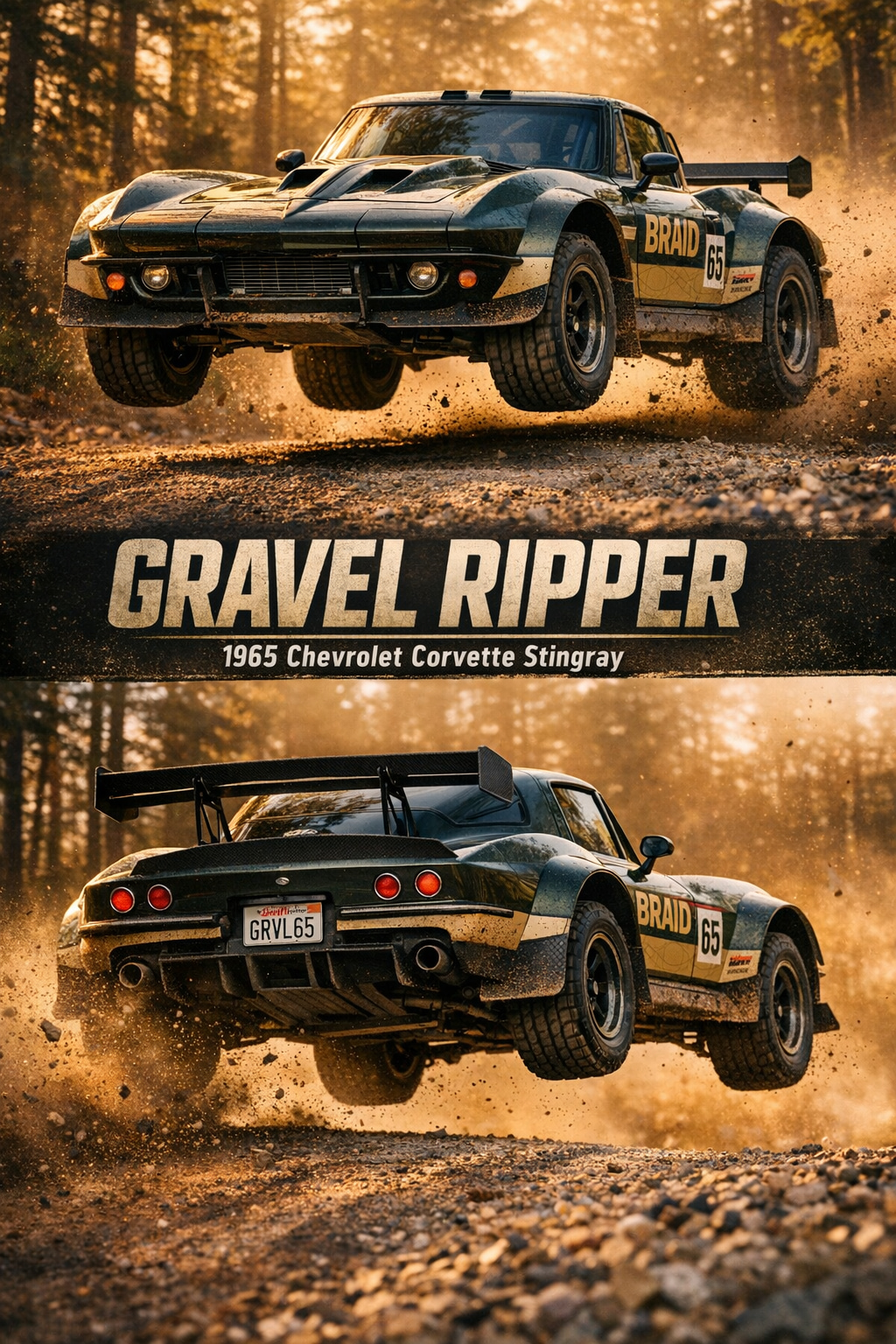
The 1965 Corvette Stingray was born for smooth tarmac and hero poses—so we did the worst (best) thing possible: built it for flat-out gravel. “Gravel Ripper” keeps the C2 silhouette, then pulls it wide and tall with +150mm per side rally arches, a real 60mm lift, and a track width that finally matches the attitude. It’s the kind of alternate-history WRC entry that would’ve had photographers sprinting for the outside of the corner.
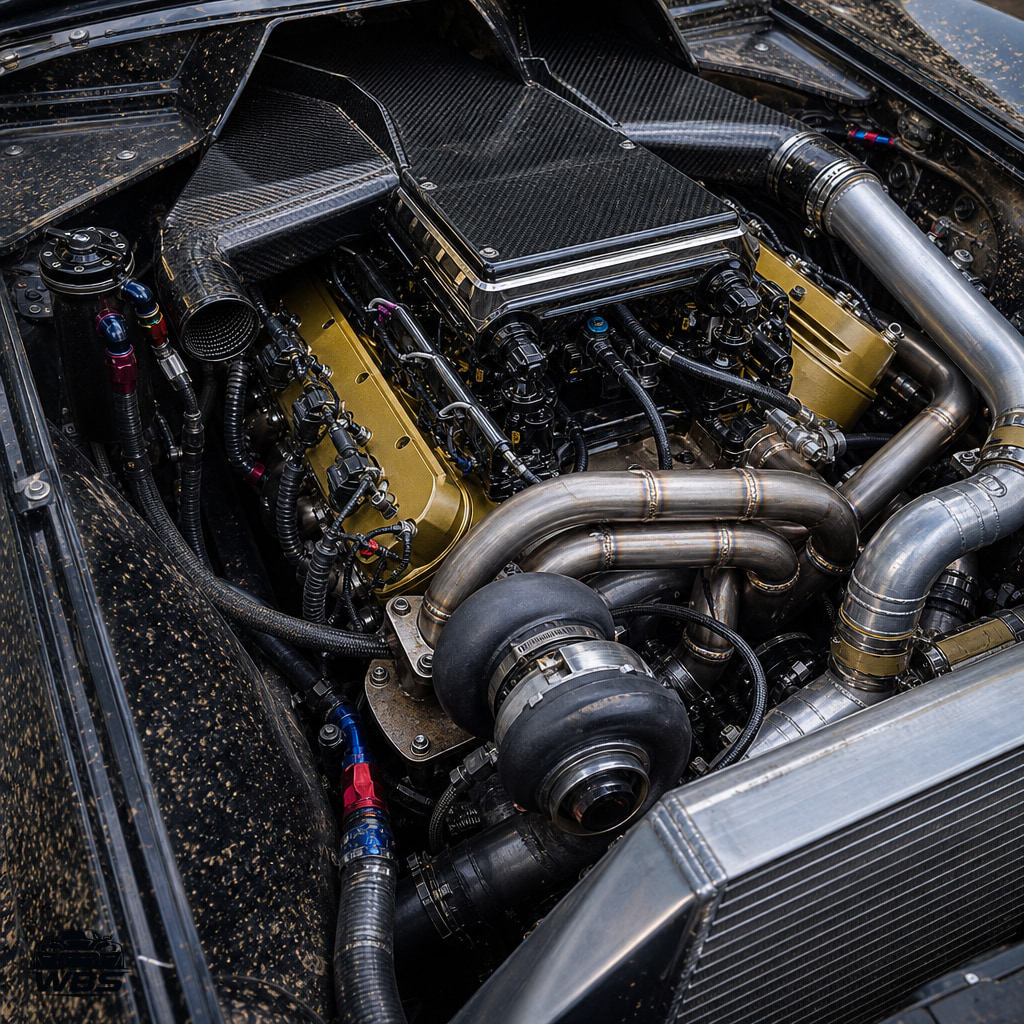
Under the fiberglass, the choices stay practical: long-travel coilovers, reinforced pickup points, big mud management, and a turbo LS3 tuned for torque and response instead of dyno glory. The result is a Corvette that looks wrong on purpose—and feels right the moment the surface turns loose.
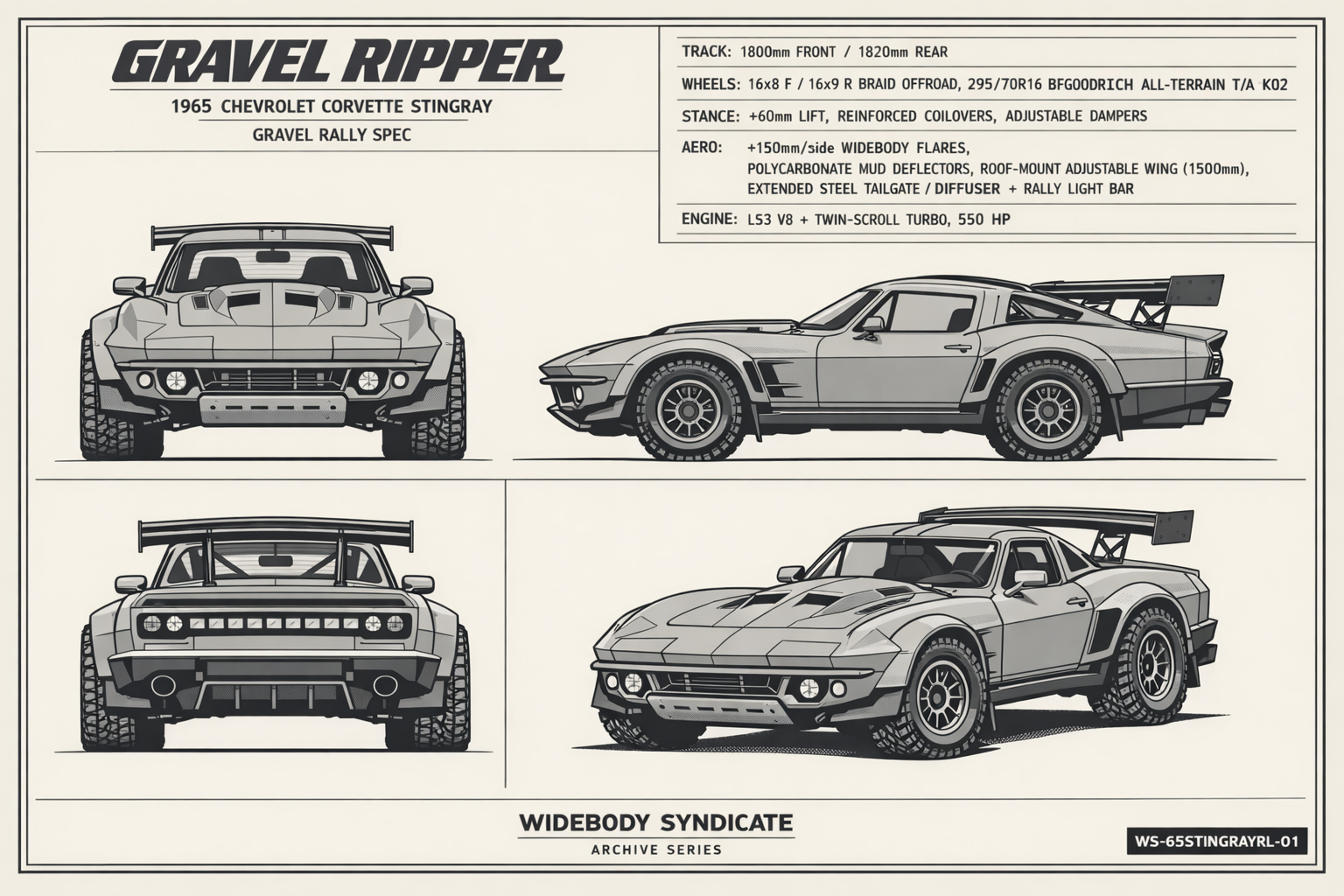 Inspect drawing ↗Open blueprint study →
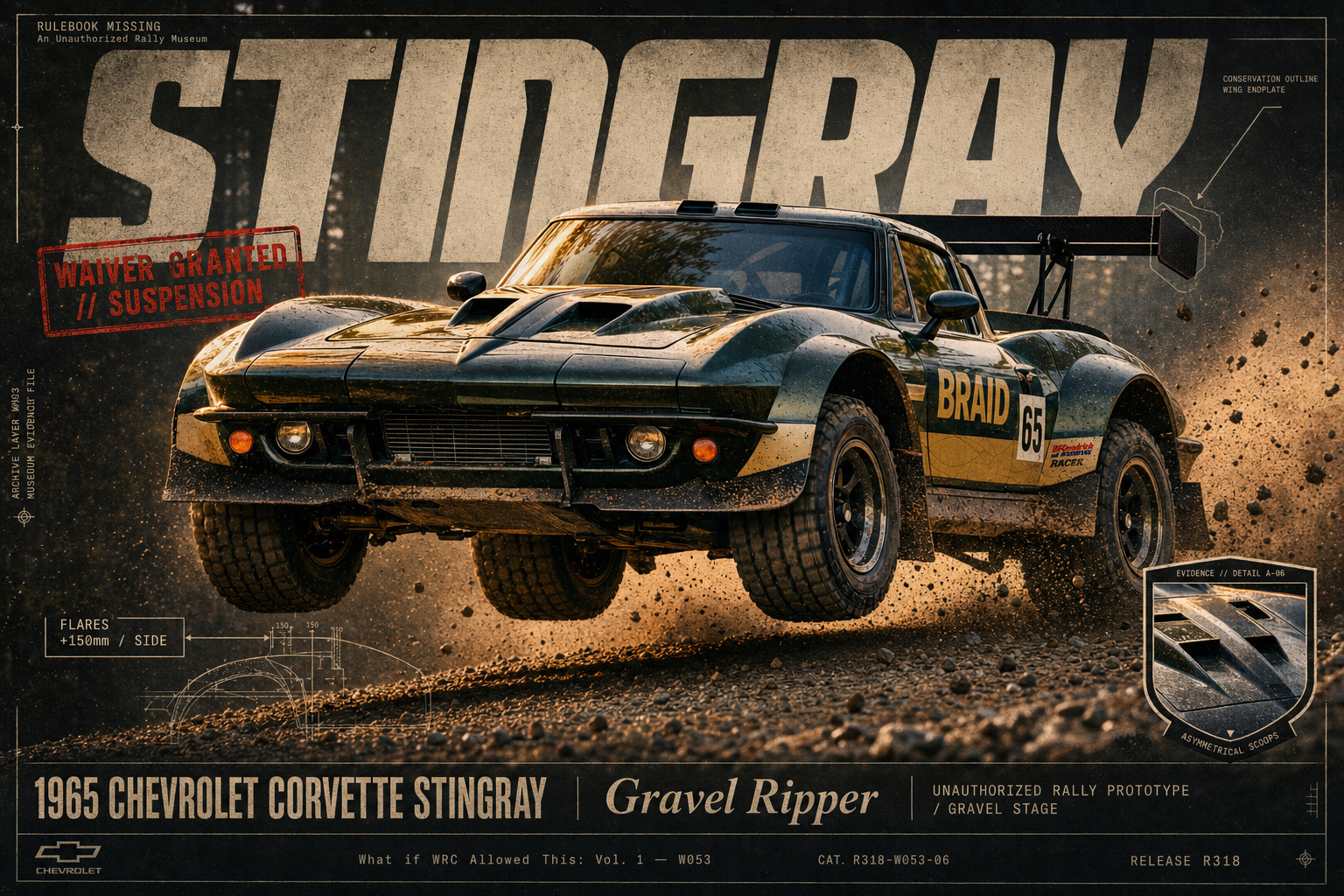 Inspect poster ↗
Fictional engineering concept
1965 Chevrolet Corvette Stingray
LS3 V8 swap with twin-scroll turbo sized for early boost and throttle control
Front-mounted intercooler fed by hood scoops, with ducting for low-speed airflow
Rally-grade cooling strategy: sealed duct paths and debris-resistant heat exchangers
Conservative 550 hp target prioritizing usable torque and durability on loose surfaces
Roof-mounted adjustable wing (1500mm span) tuned for stability over crests
Scooped rear diffuser section integrated into the widened tailgate
Polycarbonate mud deflectors lining the arches to control debris and airflow
Integrated rear rally light bar for stage visibility and period-correct drama
1965 Chevrolet Corvette Stingray
16x8 front Braid Offroad wheels
16x9 rear Braid Offroad wheels
295/70R16 BFGoodrich All-Terrain T/A KO2 tires
Gravel-focused alignment and bump-stop tuning to protect tires at full compression
Suspension pickup reinforcement and gusseting to survive landings and repeated impacts
Inner fender and tub rework to maintain steering lock with 295-section tires
Serviceable rear panel architecture for quick access after stage damage
Debris management: shielded lines, drain paths, and mud-shedding surfaces throughout
Different origins. Sacred Cars
1970 Chevrolet Chevelle SS 454
 Continue the exhibitionWhat if WRC Allowed This: Vol. 1We just went full mad scientist on rally cars that never got the memo about what’s allowed.Build 6 of 6↗