



WS Widebody Syndicate
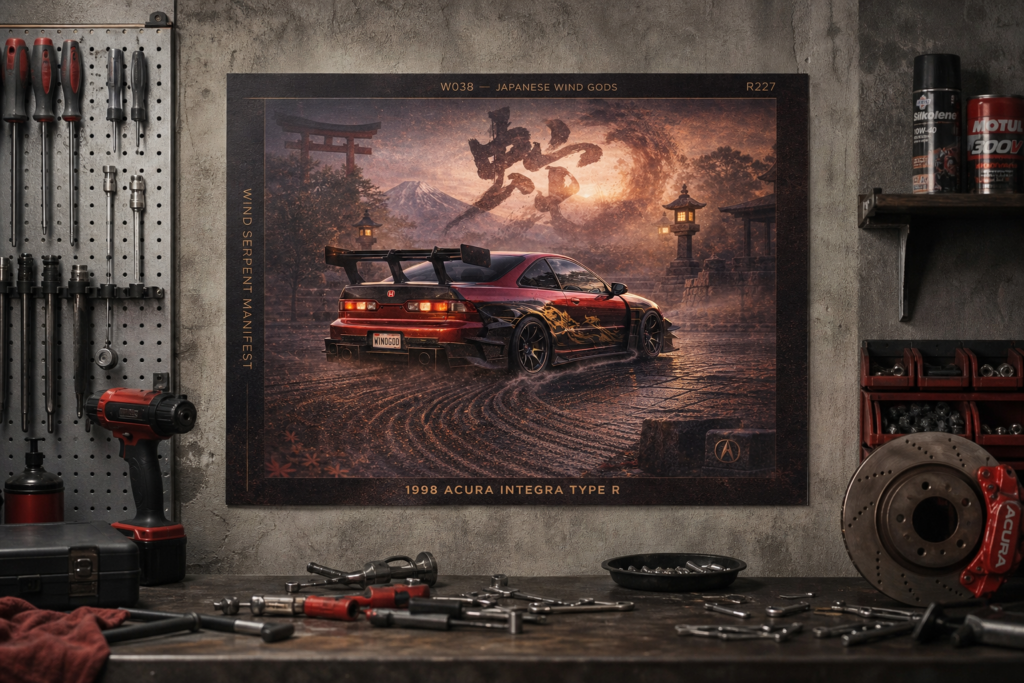
Wind Serpent Manifest

R227

Wind Serpent Manifest

1998 Acura Integra Type R

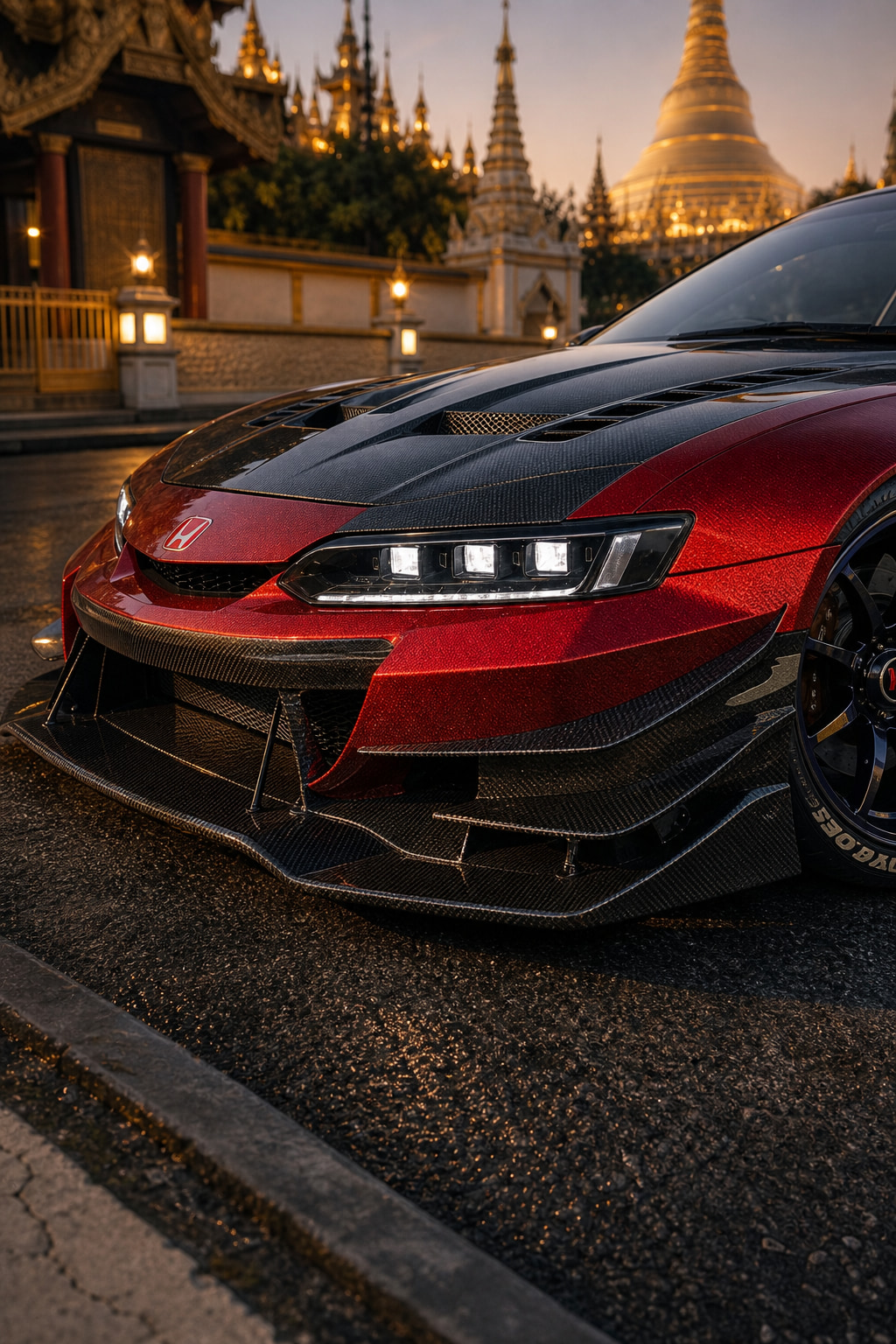
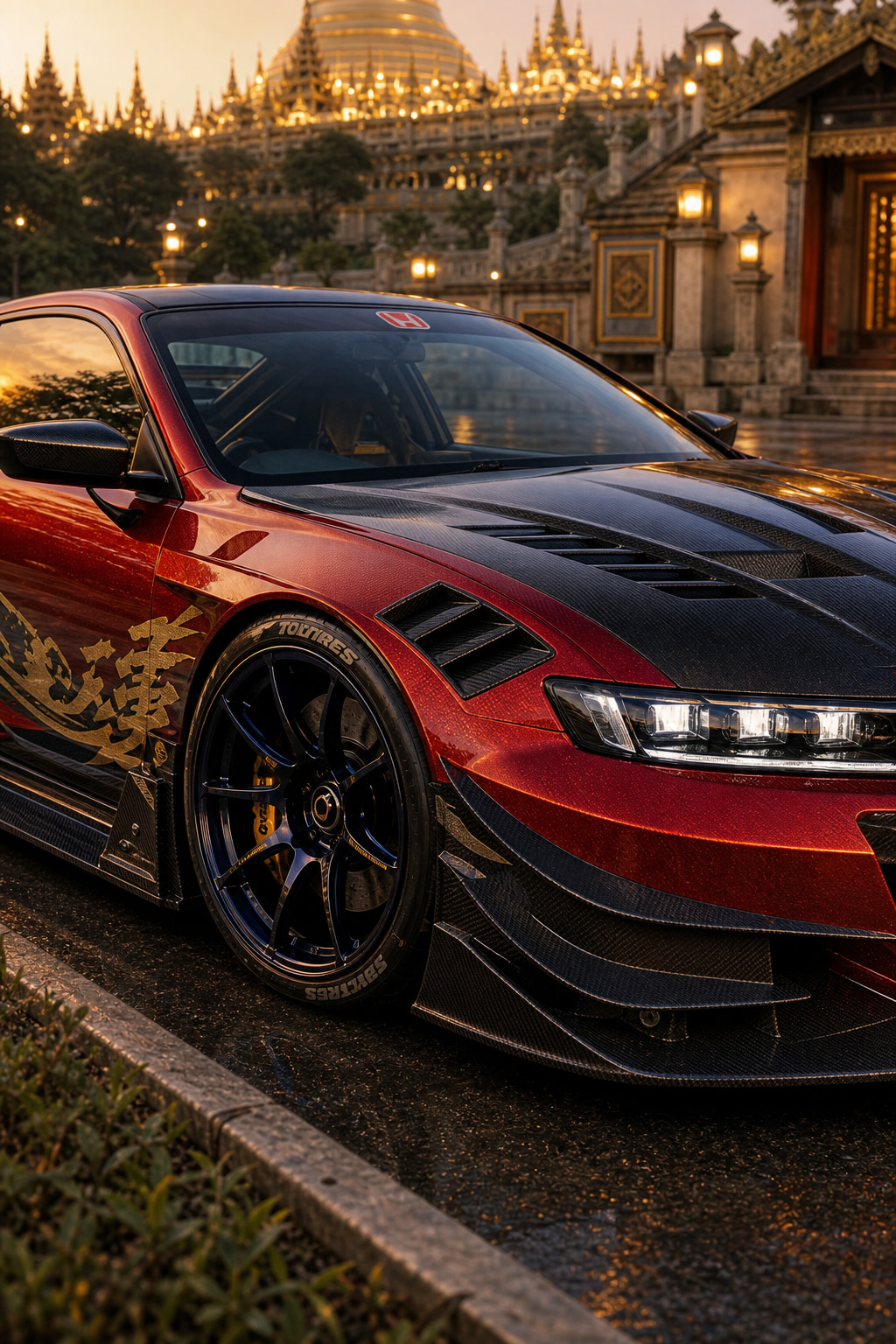
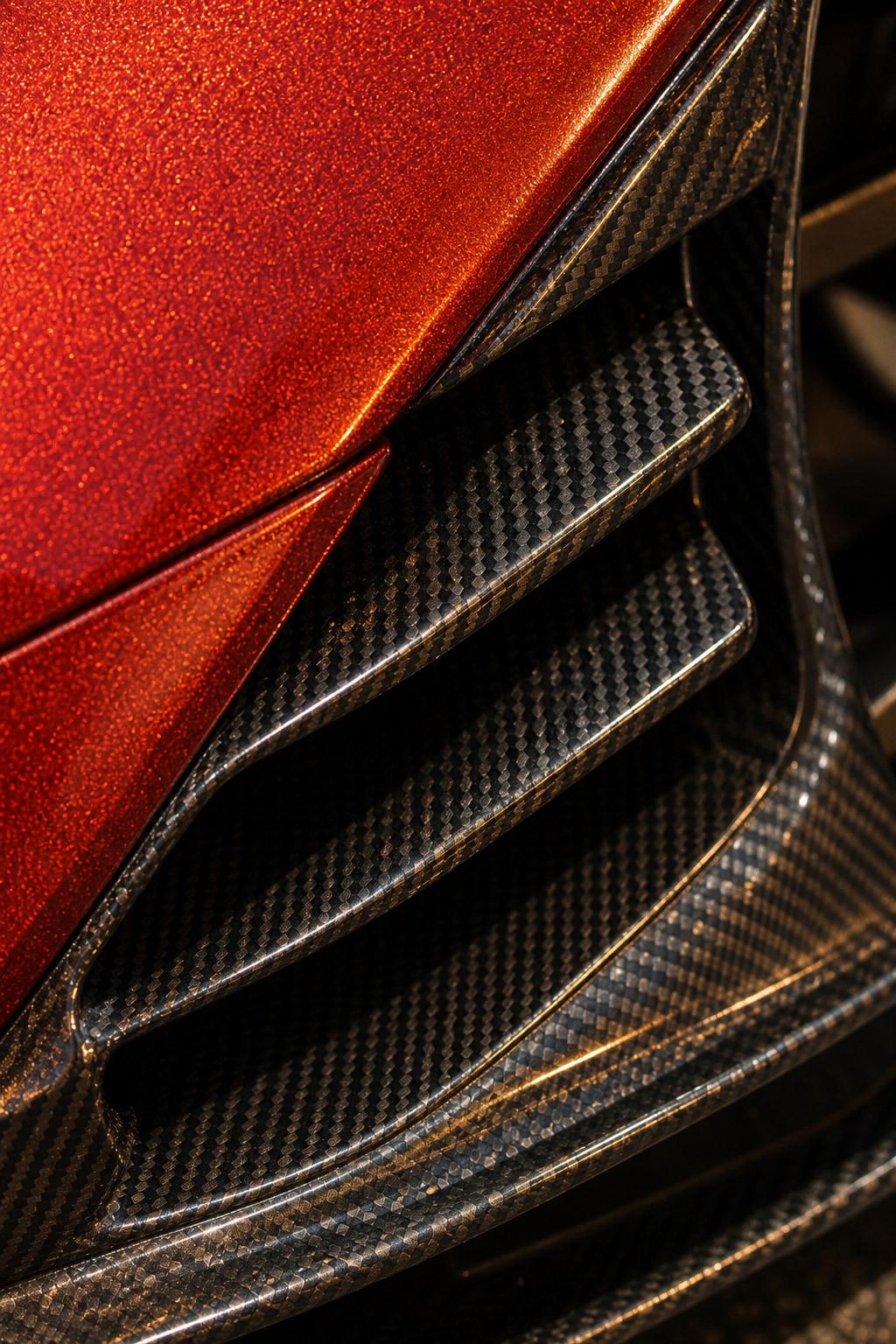
Wind Serpent Manifest takes the sacred DC2 Type R and drags it into the deep end: GT500-grade width, real cooling, and aero surfaces that look carved rather than styled. The body reads like motion—hard chamfers, vent stacks, and wave-crest ridges—yet every line exists to feed radiators, bleed wheel well pressure, and keep the floor working at speed.

It’s a purist meltdown on purpose, but not a parody. The crimson lacquer and indigo/gold Rays details nod to period-correct JDM obsession, while the widened track, sidepod heat management, and swan-neck wing turn the Integra’s lightweight honesty into a technical circuit weapon built for tight, high-commitment Japanese layouts.
Share Release X FB

Image studies from every angle.

6 curated frames · swipe / tap to inspect

Comparison Shots

Engineering Artifacts

The technical study and collectible interpretation of one build, preserved together.

01
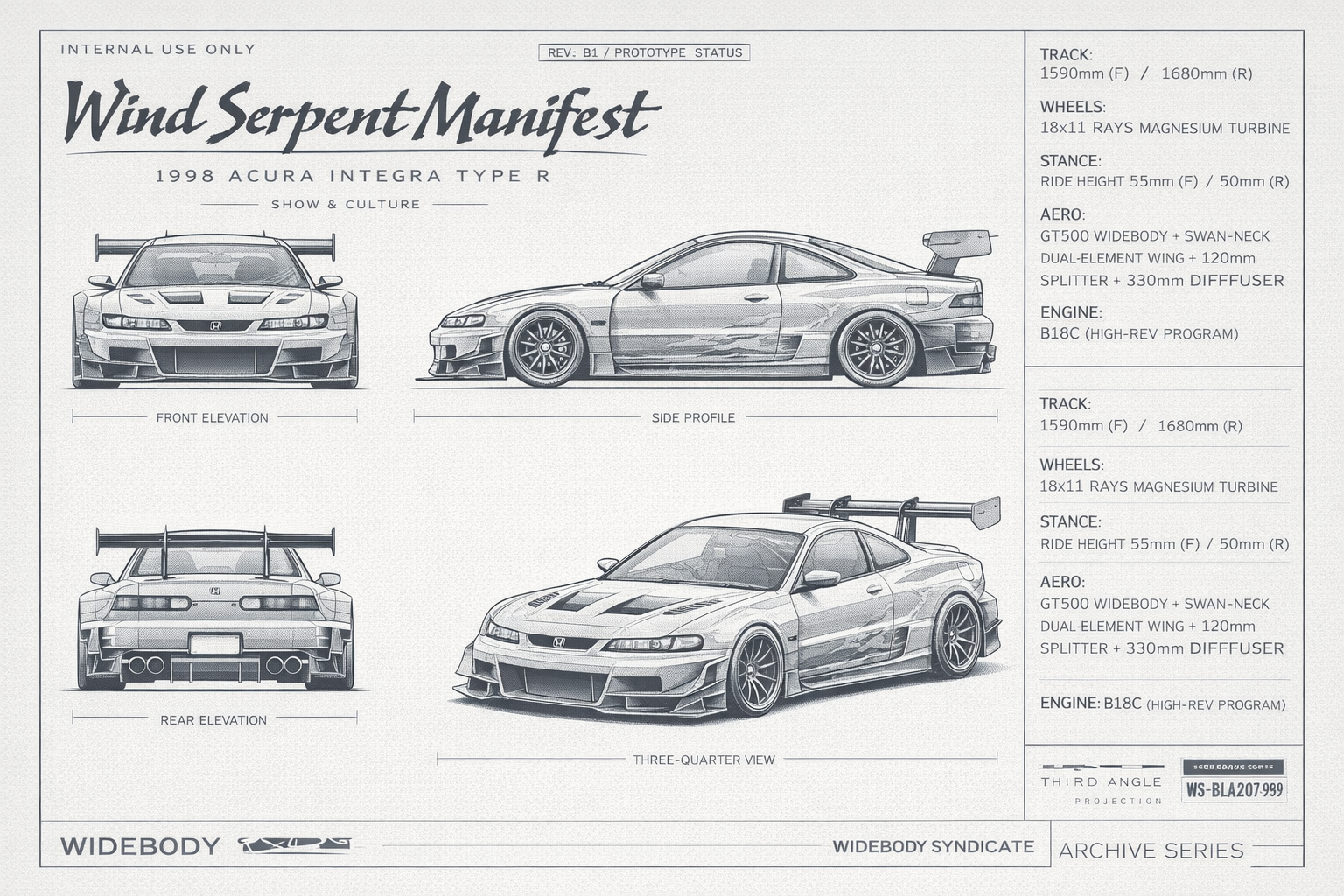
Technical DrawingBlueprint archive
Wind Serpent Manifest blueprint
02
Wind Serpent Manifest Collector EditionCollector artifact
Wind Serpent Manifest Collector Edition

A presentation-grade collector artifact created for this release and preserved as part of the Widebody Syndicate archive.

Platform

1998 Acura Integra Type R

1998 Acura Integra Type R

The ’98 Integra Type R is peak Honda in homologation form: light, sharp, and engineered around momentum. Built on the DC2 chassis, it pairs double-wishbone suspension with a seam-welded, braced shell and a close-ratio gearbox that keeps the B18C5 on the boil—an era when front-drive handling meant precision, not compromise.

More than a spec sheet hero, the ITR became a cultural baseline for how a street car could feel like a touring car on a back road. Compact proportions, honest aero, and that high-strung four-cylinder character made it a global reference point for tuning—because the platform is already doing the hard part: communicating everything through the wheel, pedals, and seat.

AcuraIntegra Type R1998
View Platform

Aero Package

120mm flat splitter with raised outer planes and aggressive dive planes for front-end authority
Triple-vent carbon hood: 440x195mm center extractor plus paired 210x85mm lateral vents
Side skirts with 70mm aero shelf and recessed channel to seal and stabilize underfloor flow
Dual-element swan-neck rear wing (1700mm span) on tall pylons for clean
efficient loading
330mm rear diffuser with four primary strakes and torii-shaped cutouts for wake control

Chassis

This Integra is aimed at technical Japanese circuits where direction changes and corner exits decide lap time more than top speed. The package prioritizes front bite, pressure management through the arches, and a rear aero platform that keeps the car settled under braking and in fast transitions.

Wheels & Tires

Rays Engineering forged magnesium 18x11 front
Rays Engineering forged magnesium 18x11 rear
Toyo Proxes semi-slicks 315/30R18 front
Toyo Proxes semi-slicks 315/30R18 rear

Powertrain

Retained B18C layout with high-pressure front ducting and filtered induction path
Augmented cooling strategy using sidepod-fed radiators to stabilize temps in traffic and heat soak
Sequential 6-speed with paddle shift for consistent
clutch-sparing upshifts under aero load
Exhaust packaged to clear diffuser tunnels and maintain underfloor efficiency

Fabrication Notes

Carbon widebody panels designed around tire clearance at full lock and full bump with 315-section rubber
Front arch venting positioned to evacuate brake/arch pressure and reduce lift at speed
Reinforced uprights/control arm pick-up strategy to support widened track and double-wishbone geometry
Diffuser and wing mounts tied into the chassis structure to avoid hatch-panel loading and aero flex
×

Design Philosophy

Wind Serpent Manifest takes the sacred DC2 Type R and drags it into the deep end: GT500-grade width, real cooling, and aero surfaces that look carved rather than styled. The body reads like motion—hard chamfers, vent stacks, and wave-crest ridges—yet every line exists to feed radiators, bleed wheel well pressure, and keep the floor working at speed.

It’s a purist meltdown on purpose, but not a parody. The crimson lacquer and indigo/gold Rays details nod to period-correct JDM obsession, while the widened track, sidepod heat management, and swan-neck wing turn the Integra’s lightweight honesty into a technical circuit weapon built for tight, high-commitment Japanese layouts.

Platform+
1998 Acura Integra Type R

1998 Acura Integra Type R

The ’98 Integra Type R is peak Honda in homologation form: light, sharp, and engineered around momentum. Built on the DC2 chassis, it pairs double-wishbone suspension with a seam-welded, braced shell and a close-ratio gearbox that keeps the B18C5 on the boil—an era when front-drive handling meant precision, not compromise.

More than a spec sheet hero, the ITR became a cultural baseline for how a street car could feel like a touring car on a back road. Compact proportions, honest aero, and that high-strung four-cylinder character made it a global reference point for tuning—because the platform is already doing the hard part: communicating everything through the wheel, pedals, and seat.

AcuraIntegra Type R1998
View Platform
Aero Package+

120mm flat splitter with raised outer planes and aggressive dive planes for front-end authority
Triple-vent carbon hood: 440x195mm center extractor plus paired 210x85mm lateral vents
Side skirts with 70mm aero shelf and recessed channel to seal and stabilize underfloor flow
Dual-element swan-neck rear wing (1700mm span) on tall pylons for clean
efficient loading
330mm rear diffuser with four primary strakes and torii-shaped cutouts for wake control

Chassis+

This Integra is aimed at technical Japanese circuits where direction changes and corner exits decide lap time more than top speed. The package prioritizes front bite, pressure management through the arches, and a rear aero platform that keeps the car settled under braking and in fast transitions.

Wheels & Tires+

Rays Engineering forged magnesium 18x11 front
Rays Engineering forged magnesium 18x11 rear
Toyo Proxes semi-slicks 315/30R18 front
Toyo Proxes semi-slicks 315/30R18 rear

Powertrain+

Retained B18C layout with high-pressure front ducting and filtered induction path
Augmented cooling strategy using sidepod-fed radiators to stabilize temps in traffic and heat soak
Sequential 6-speed with paddle shift for consistent
clutch-sparing upshifts under aero load
Exhaust packaged to clear diffuser tunnels and maintain underfloor efficiency

Fabrication Notes+

Carbon widebody panels designed around tire clearance at full lock and full bump with 315-section rubber
Front arch venting positioned to evacuate brake/arch pressure and reduce lift at speed
Reinforced uprights/control arm pick-up strategy to support widened track and double-wishbone geometry
Diffuser and wing mounts tied into the chassis structure to avoid hatch-panel loading and aero flex

×Design Philosophy+

Wind Serpent Manifest takes the sacred DC2 Type R and drags it into the deep end: GT500-grade width, real cooling, and aero surfaces that look carved rather than styled. The body reads like motion—hard chamfers, vent stacks, and wave-crest ridges—yet every line exists to feed radiators, bleed wheel well pressure, and keep the floor working at speed.

It’s a purist meltdown on purpose, but not a parody. The crimson lacquer and indigo/gold Rays details nod to period-correct JDM obsession, while the widened track, sidepod heat management, and swan-neck wing turn the Integra’s lightweight honesty into a technical circuit weapon built for tight, high-commitment Japanese layouts.

Part of
Wave 38

Japanese Wind Gods

We just finished a little temple-courtyard science experiment: take the legends, the heroes, and the weirdos of JDM history and run them through a Wind God filter until the bodywork starts speaking in vortices. Same silhouette rules, same recognizable faces, but now every fender is a blade, every vent is a confession, and every swan-neck wing is basically a shrine that also happens to make downforce.

Explore Wave 38 → 6 Builds

Keep Exploring

The archive is always growing. New releases, waves, and blueprints added regularly.