WS Widebody Syndicate
Rampart Ascent Program

R288

Rampart Ascent Program

1990 Lamborghini Diablo

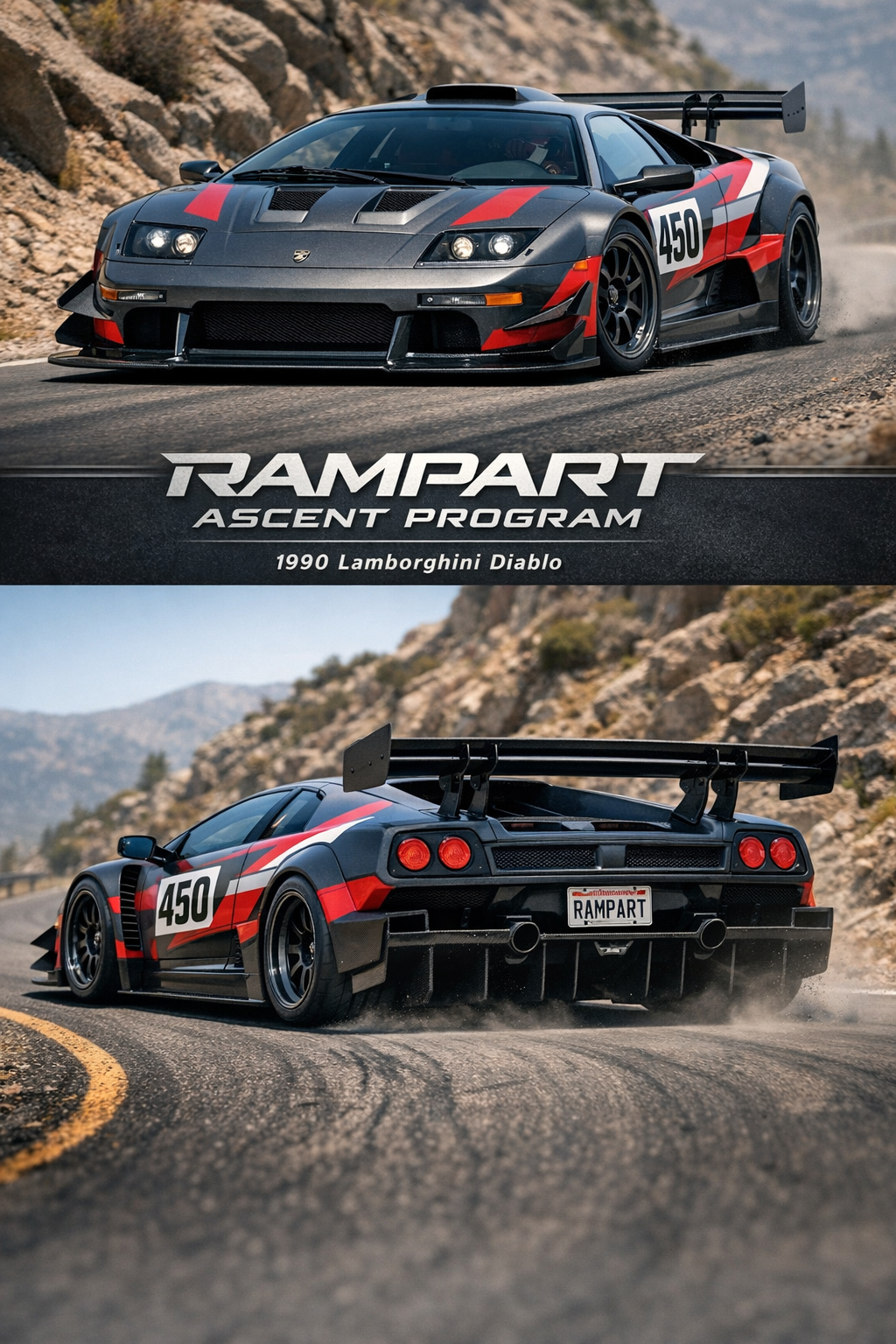
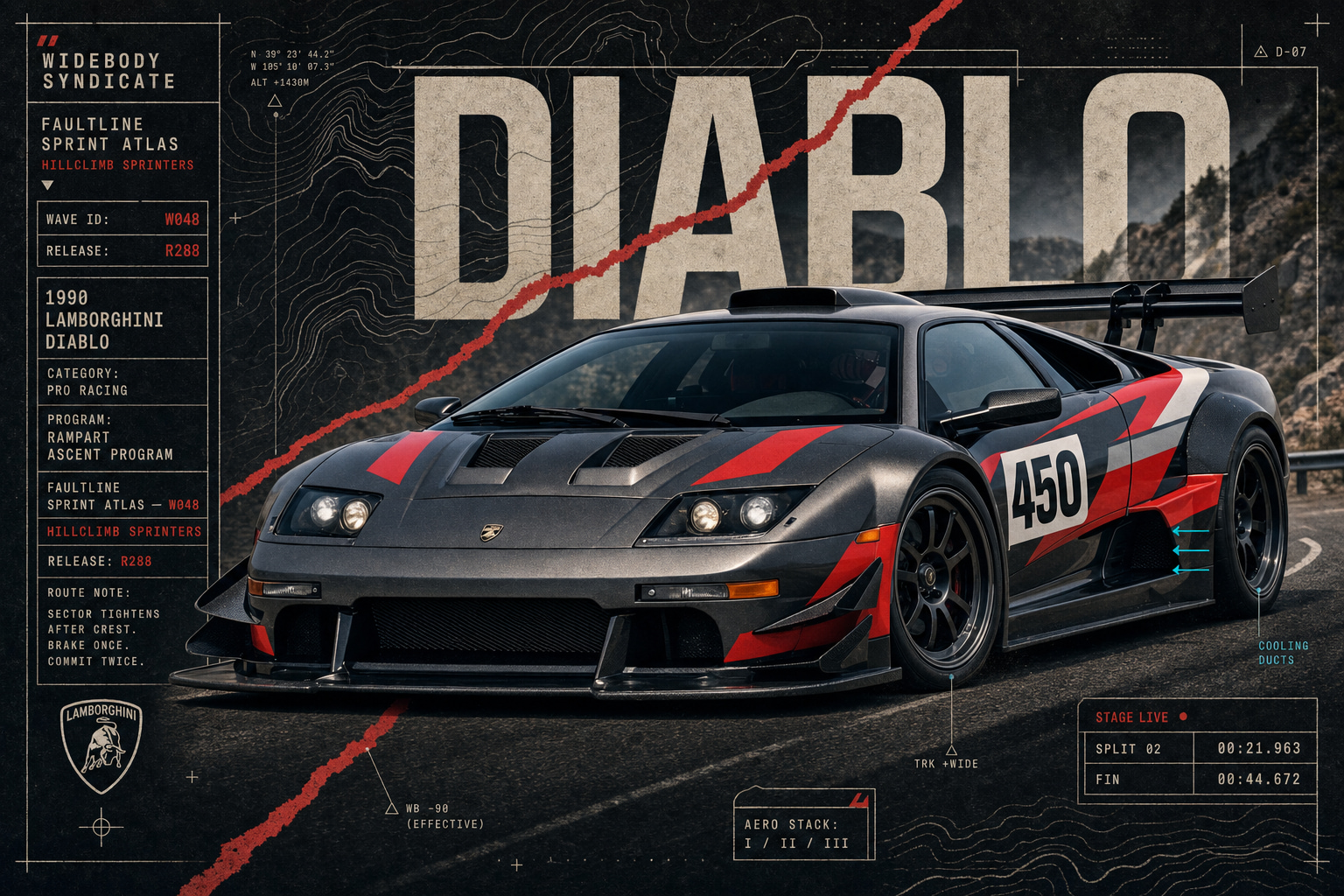
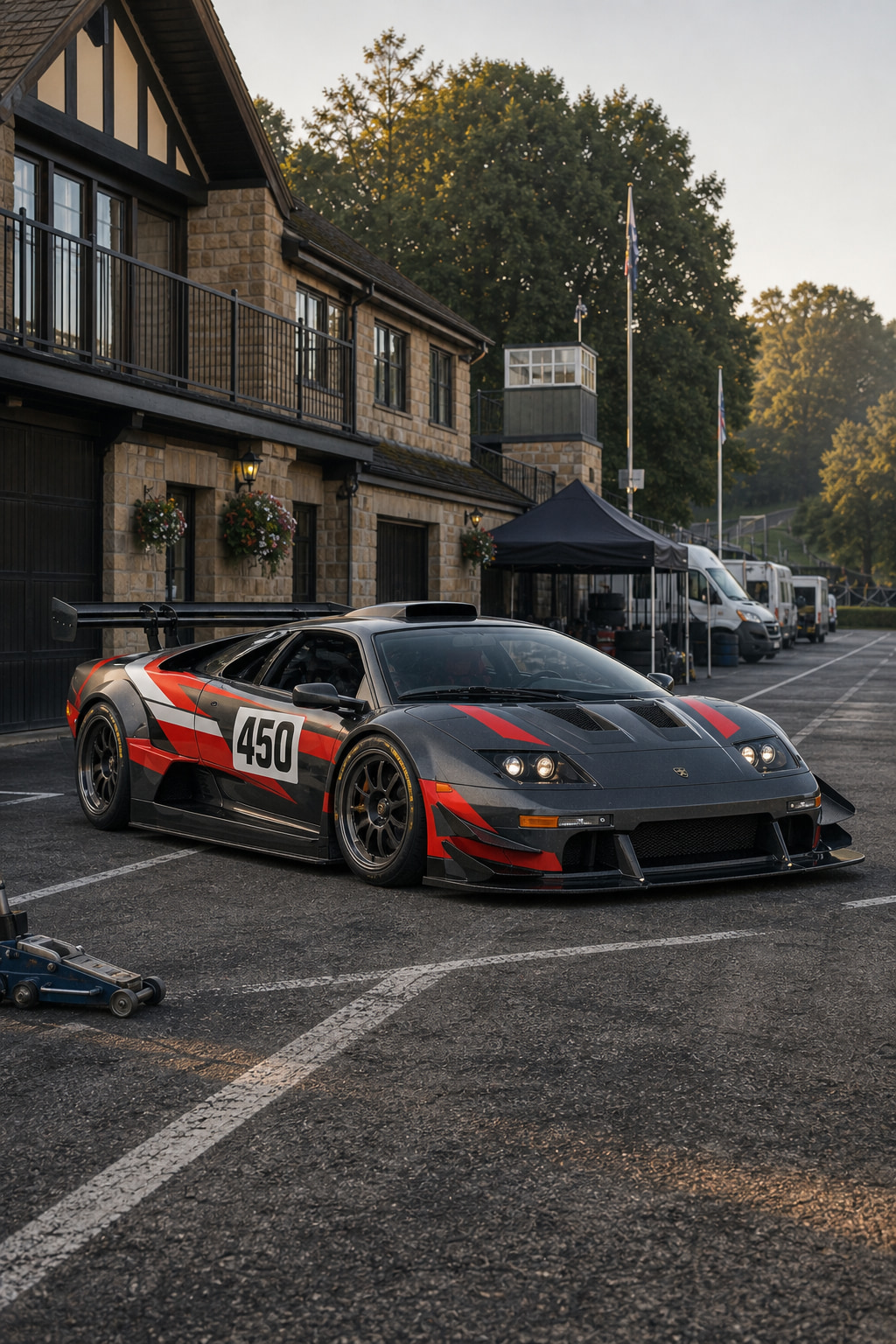
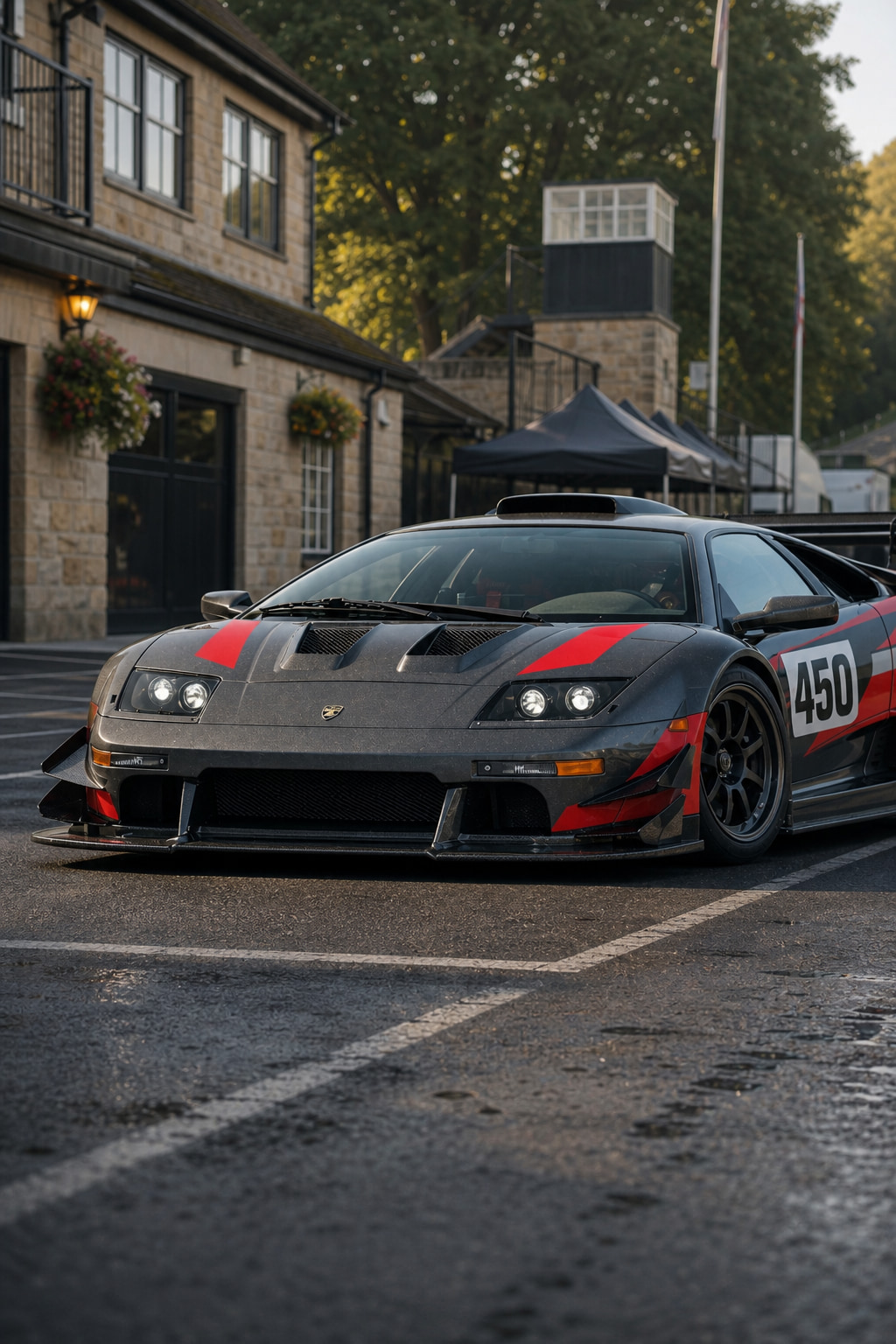
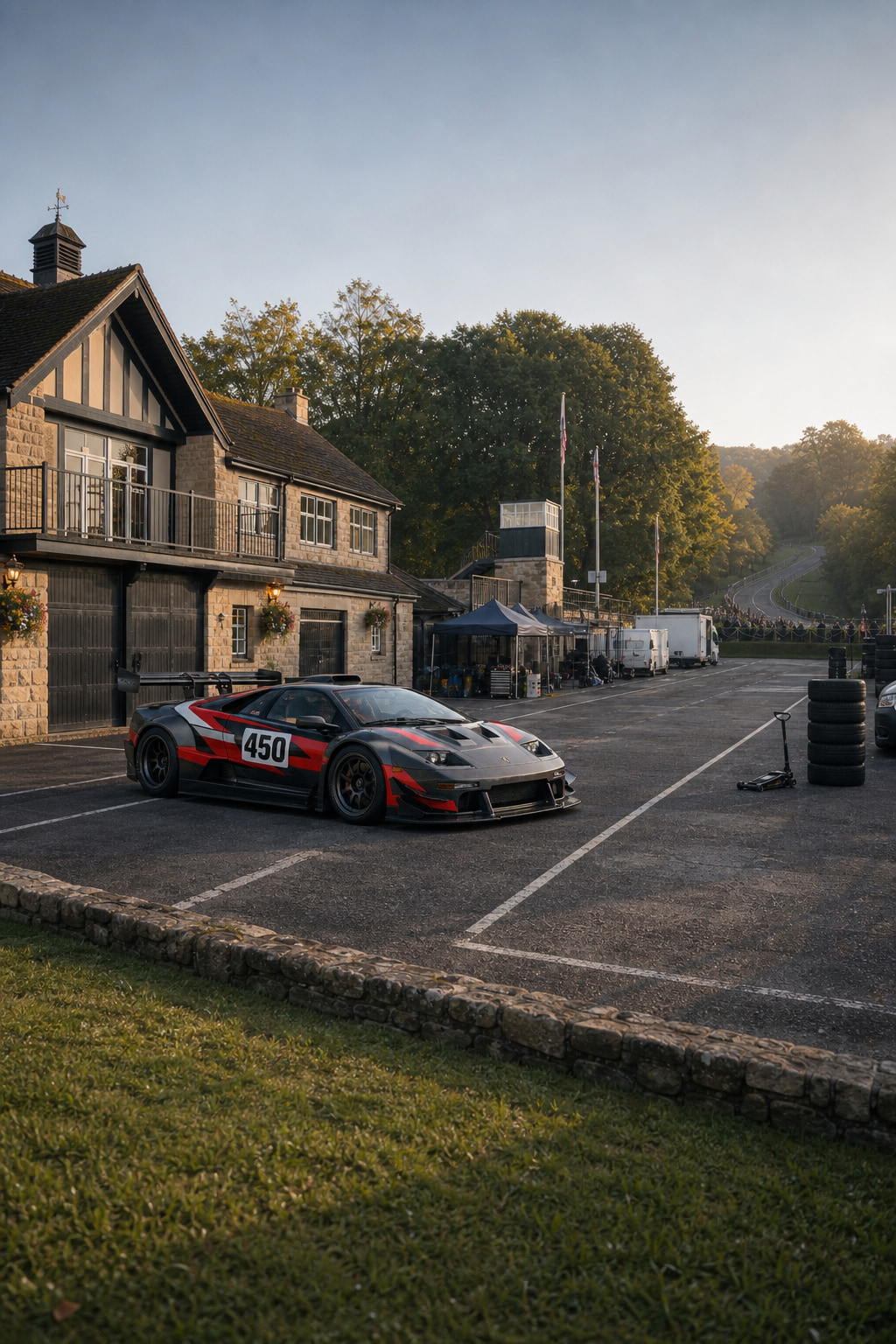
Rampart Ascent Program takes the original Diablo silhouette—greenhouse, lights, and that unmistakable wedge—and drags it into short-course hill climb reality. The stance is brutally compact in motion: a 90mm “effective wheelbase” reduction via suspension pickup revisions and wheel offset strategy sharpens rotation, while the track blows out to fill squared, lipped arches that look like they were drawn with a machinist’s ruler.

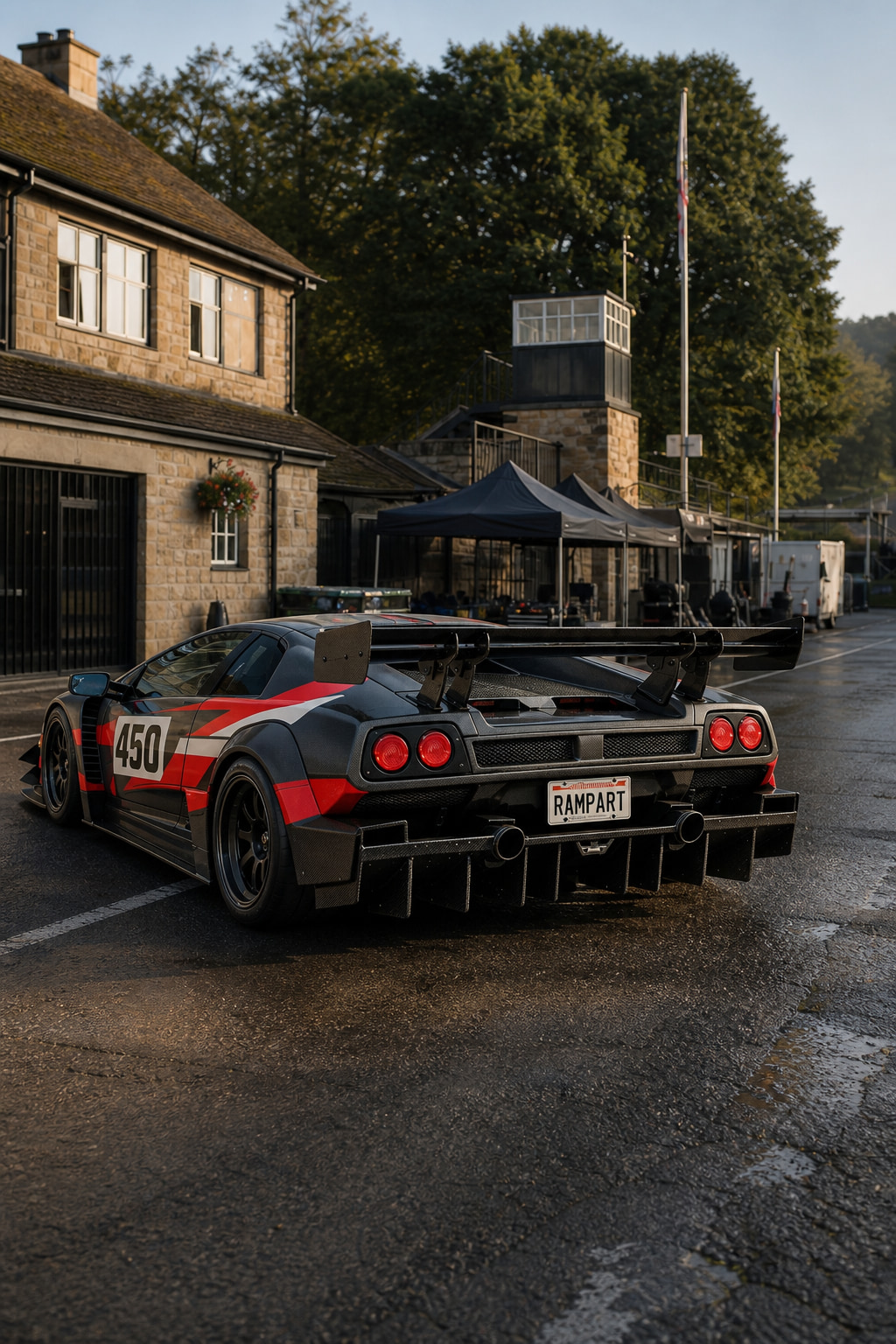
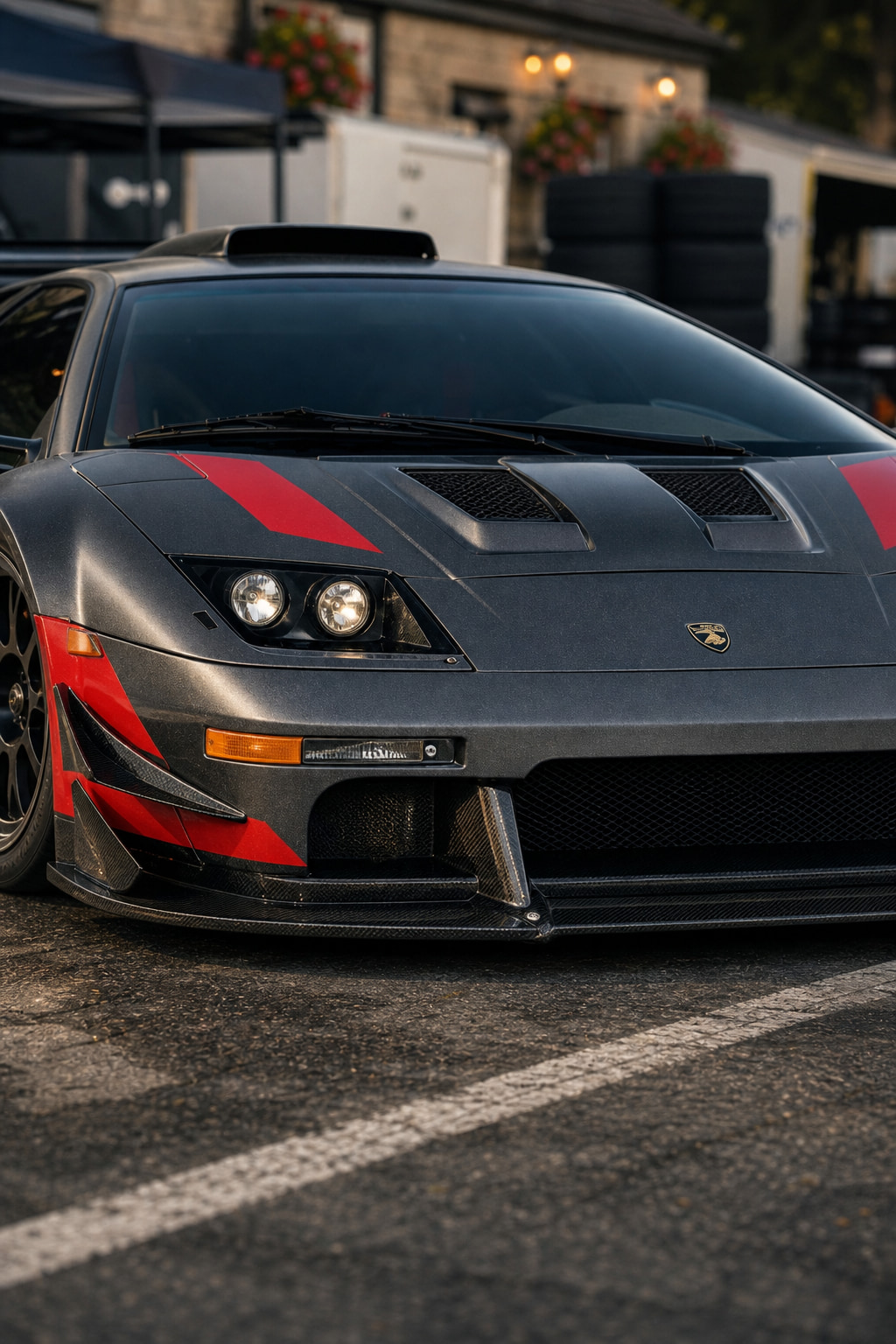
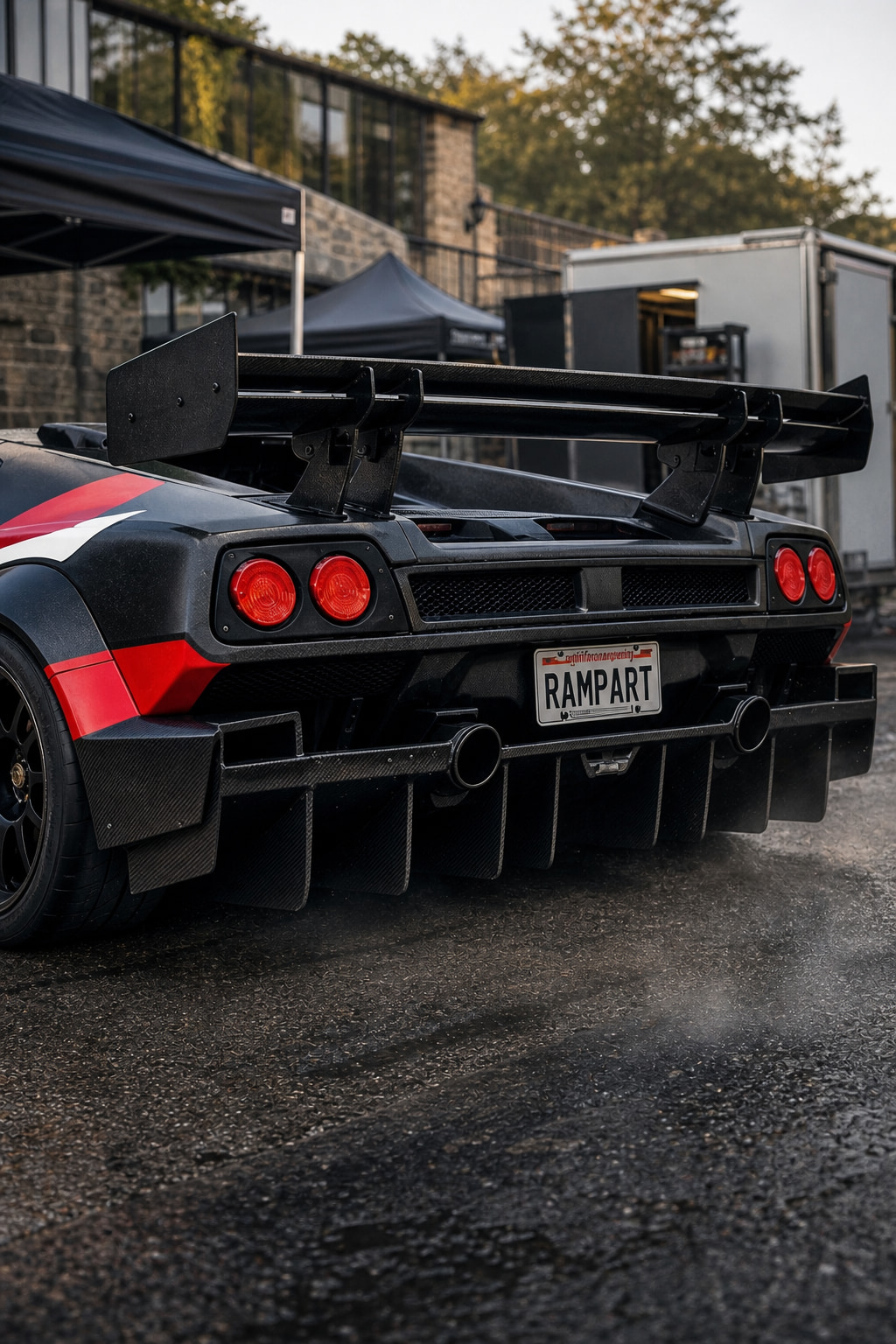
This is aero-first Diablo engineering, not nostalgia. A flat, multi-layer splitter and outward-canted dive planes build front bite and stability under heavy braking, while a full-width, stepped diffuser and towering swan-neck wing turn rough asphalt and tight inclines into something the chassis can lean on. Cooling is treated like a weapon—front and side ducting sized for repeated, violent sprints rather than long, gentle laps.
Share Release X FB

Image studies from every angle.

6 curated frames · swipe / tap to inspect

Comparison Shots

Engineering Artifacts

The technical study and collectible interpretation of one build, preserved together.

01
Technical DrawingBlueprint archive
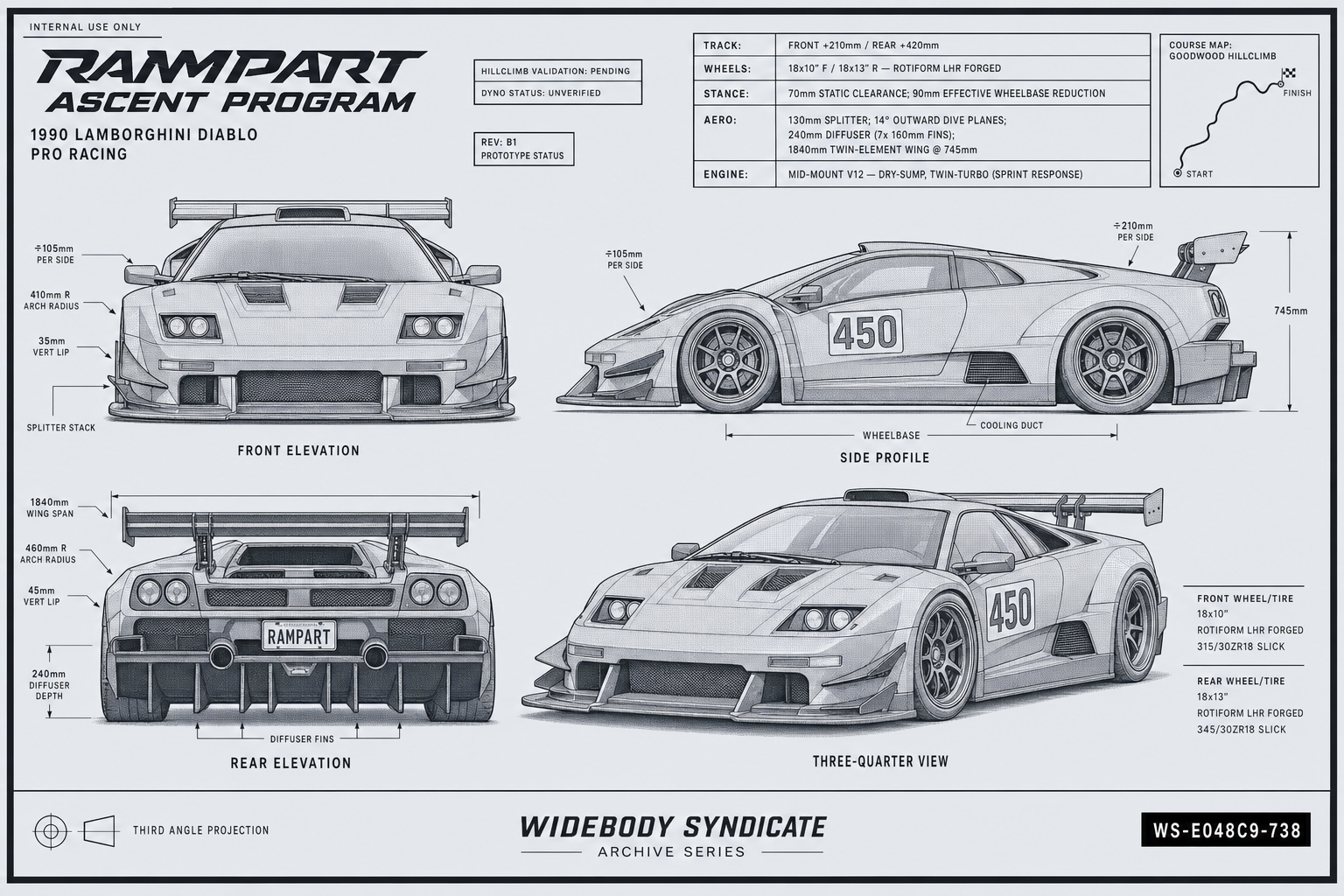
Rampart Ascent Program blueprint
02
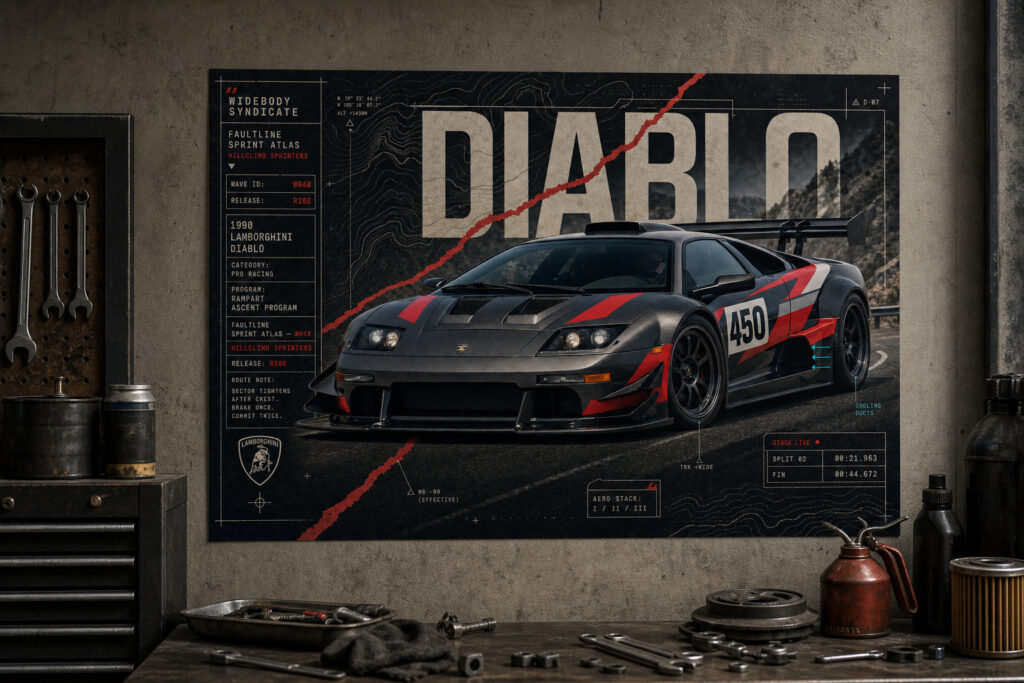
Rampart Ascent Program Collector EditionCollector artifact
Rampart Ascent Program Collector Edition

A presentation-grade collector artifact created for this release and preserved as part of the Widebody Syndicate archive.

Platform

1990 Lamborghini Diablo

1990 Lamborghini Diablo

The 1990 Lamborghini Diablo is the moment Sant’Agata went from poster-car mythology to bona fide supercar benchmark. Penned with that classic Gandini edge still sharp in the lines, but engineered for the next era, the Diablo brought a bigger, more usable kind of drama: a 5.7-liter V12 mounted behind the cabin, rear-wheel drive, and that long, low wedge profile that defines early-’90s excess in the best possible way.

As a base platform, it’s pure analog theater wrapped around serious hardware—spaceframe construction, unequal-length suspension, and proportions that feel stretched over the mechanicals like a tailored suit. It’s the kind of chassis that rewards respect: wide sills, heavy doors, a cockpit set forward, and a rear deck that exists solely to frame the V12’s presence. The original Diablo isn’t trying to be modern; it’s the reference point for what Lamborghini became afterward.

LamborghiniDiablo1990
View Platform

Aero Package

130mm-projection multi-layer front splitter with outward-angled twin dive planes
Full-width carbon rear diffuser (240mm deep) with seven vertical fins and stepped floor
Twin-element 1840mm GT wing on 745mm swan-neck pylons with serrated flap trailing edge
Managed cooling aero: large trapezoidal front intake and side pod inlets feeding radiators/intercoolers

Chassis

Built for tight, rough asphalt and fast direction changes, this Diablo is aimed at hill climb sprint stages where braking zones are short and traction is inconsistent. The aero package is sized to create usable load at the speeds these courses actually see—enough front authority to attack turn-in, and enough rear stability to brake deep without the car going light over surface changes.

Wheels & Tires

Rotiform LHR forged wheels
18x10 front (deep concave)
315/30ZR18 CLR racing slicks (front fitment baseline per concept)
Track increase: +210mm front total
+420mm rear total to match arch coverage
Offsets and scrub-radius targets chosen to support the 90mm “effective wheelbase” reduction feel

Powertrain

Mid-mounted Lamborghini V12 retained with dry-sump conversion for sustained lateral/longitudinal load
Twin-turbo system sized for fast spool and throttle response over peak dyno numbers
Front-mounted radiator package plus side-mounted twin intercoolers in dedicated plenums
Brake and charge-air cooling supported by hood NACA ducting and internal ductwork

Fabrication Notes

Custom suspension pickup placement and revised double-wishbone geometry to sharpen yaw response
Titanium wing mount structure tied into rear chassis rails to control deflection under load
Carbon-composite diffuser and bumper molding with fin alignment jigs for repeatable aero accuracy
Sealed ducting and plenum chambers for front/side cooling to prevent pressure bleed
×

Design Philosophy

Rampart Ascent Program takes the original Diablo silhouette—greenhouse, lights, and that unmistakable wedge—and drags it into short-course hill climb reality. The stance is brutally compact in motion: a 90mm “effective wheelbase” reduction via suspension pickup revisions and wheel offset strategy sharpens rotation, while the track blows out to fill squared, lipped arches that look like they were drawn with a machinist’s ruler.

This is aero-first Diablo engineering, not nostalgia. A flat, multi-layer splitter and outward-canted dive planes build front bite and stability under heavy braking, while a full-width, stepped diffuser and towering swan-neck wing turn rough asphalt and tight inclines into something the chassis can lean on. Cooling is treated like a weapon—front and side ducting sized for repeated, violent sprints rather than long, gentle laps.

Platform+
1990 Lamborghini Diablo

1990 Lamborghini Diablo

The 1990 Lamborghini Diablo is the moment Sant’Agata went from poster-car mythology to bona fide supercar benchmark. Penned with that classic Gandini edge still sharp in the lines, but engineered for the next era, the Diablo brought a bigger, more usable kind of drama: a 5.7-liter V12 mounted behind the cabin, rear-wheel drive, and that long, low wedge profile that defines early-’90s excess in the best possible way.

As a base platform, it’s pure analog theater wrapped around serious hardware—spaceframe construction, unequal-length suspension, and proportions that feel stretched over the mechanicals like a tailored suit. It’s the kind of chassis that rewards respect: wide sills, heavy doors, a cockpit set forward, and a rear deck that exists solely to frame the V12’s presence. The original Diablo isn’t trying to be modern; it’s the reference point for what Lamborghini became afterward.

LamborghiniDiablo1990
View Platform
Aero Package+

130mm-projection multi-layer front splitter with outward-angled twin dive planes
Full-width carbon rear diffuser (240mm deep) with seven vertical fins and stepped floor
Twin-element 1840mm GT wing on 745mm swan-neck pylons with serrated flap trailing edge
Managed cooling aero: large trapezoidal front intake and side pod inlets feeding radiators/intercoolers

Chassis+

Built for tight, rough asphalt and fast direction changes, this Diablo is aimed at hill climb sprint stages where braking zones are short and traction is inconsistent. The aero package is sized to create usable load at the speeds these courses actually see—enough front authority to attack turn-in, and enough rear stability to brake deep without the car going light over surface changes.

Wheels & Tires+

Rotiform LHR forged wheels
18x10 front (deep concave)
315/30ZR18 CLR racing slicks (front fitment baseline per concept)
Track increase: +210mm front total
+420mm rear total to match arch coverage
Offsets and scrub-radius targets chosen to support the 90mm “effective wheelbase” reduction feel

Powertrain+

Mid-mounted Lamborghini V12 retained with dry-sump conversion for sustained lateral/longitudinal load
Twin-turbo system sized for fast spool and throttle response over peak dyno numbers
Front-mounted radiator package plus side-mounted twin intercoolers in dedicated plenums
Brake and charge-air cooling supported by hood NACA ducting and internal ductwork

Fabrication Notes+

Custom suspension pickup placement and revised double-wishbone geometry to sharpen yaw response
Titanium wing mount structure tied into rear chassis rails to control deflection under load
Carbon-composite diffuser and bumper molding with fin alignment jigs for repeatable aero accuracy
Sealed ducting and plenum chambers for front/side cooling to prevent pressure bleed

×Design Philosophy+

Rampart Ascent Program takes the original Diablo silhouette—greenhouse, lights, and that unmistakable wedge—and drags it into short-course hill climb reality. The stance is brutally compact in motion: a 90mm “effective wheelbase” reduction via suspension pickup revisions and wheel offset strategy sharpens rotation, while the track blows out to fill squared, lipped arches that look like they were drawn with a machinist’s ruler.

This is aero-first Diablo engineering, not nostalgia. A flat, multi-layer splitter and outward-canted dive planes build front bite and stability under heavy braking, while a full-width, stepped diffuser and towering swan-neck wing turn rough asphalt and tight inclines into something the chassis can lean on. Cooling is treated like a weapon—front and side ducting sized for repeated, violent sprints rather than long, gentle laps.

Part of
Wave 48

Hillclimb Sprinters

This release is our answer to the hillclimb question nobody asked politely: what happens when you build for 60 to 90 seconds of terror instead of 20 minutes of elegance? Across coupes, a sedan, a pickup, and an SUV, the logic is the same: short-course sprint engineering where rotation matters more than top speed, and cooling is treated like ammunition.

Explore Wave 48 → 6 Builds

Keep Exploring

The archive is always growing. New releases, waves, and blueprints added regularly.