



Continue this wave

2007 Land Rover Range Rover

9 photos
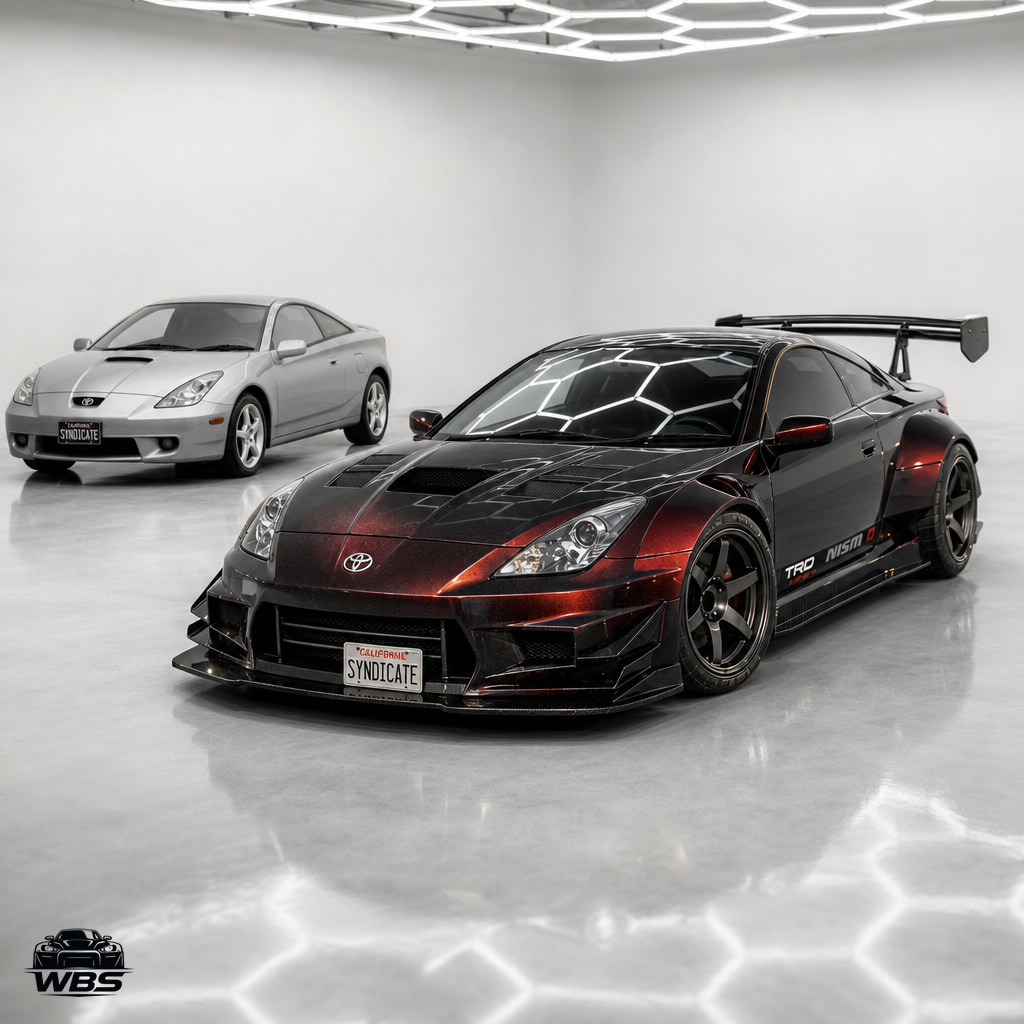
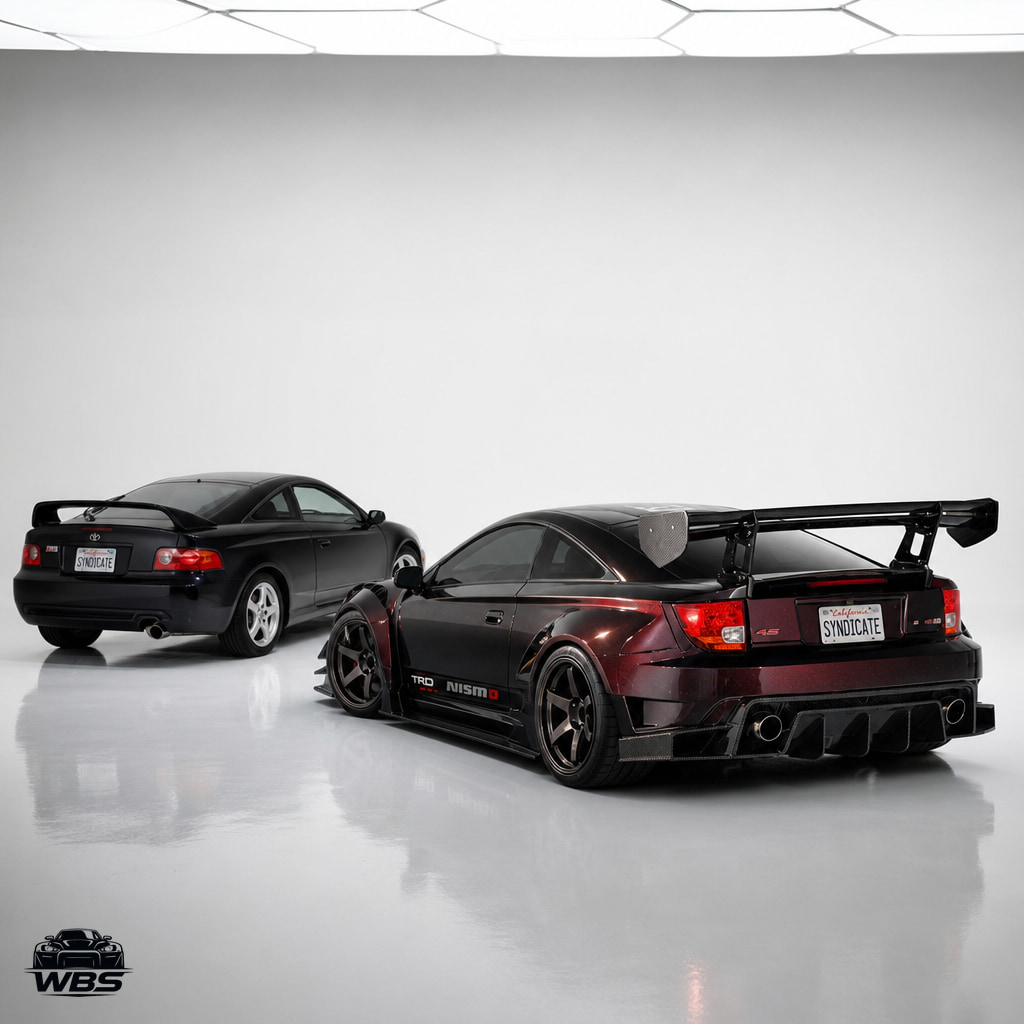
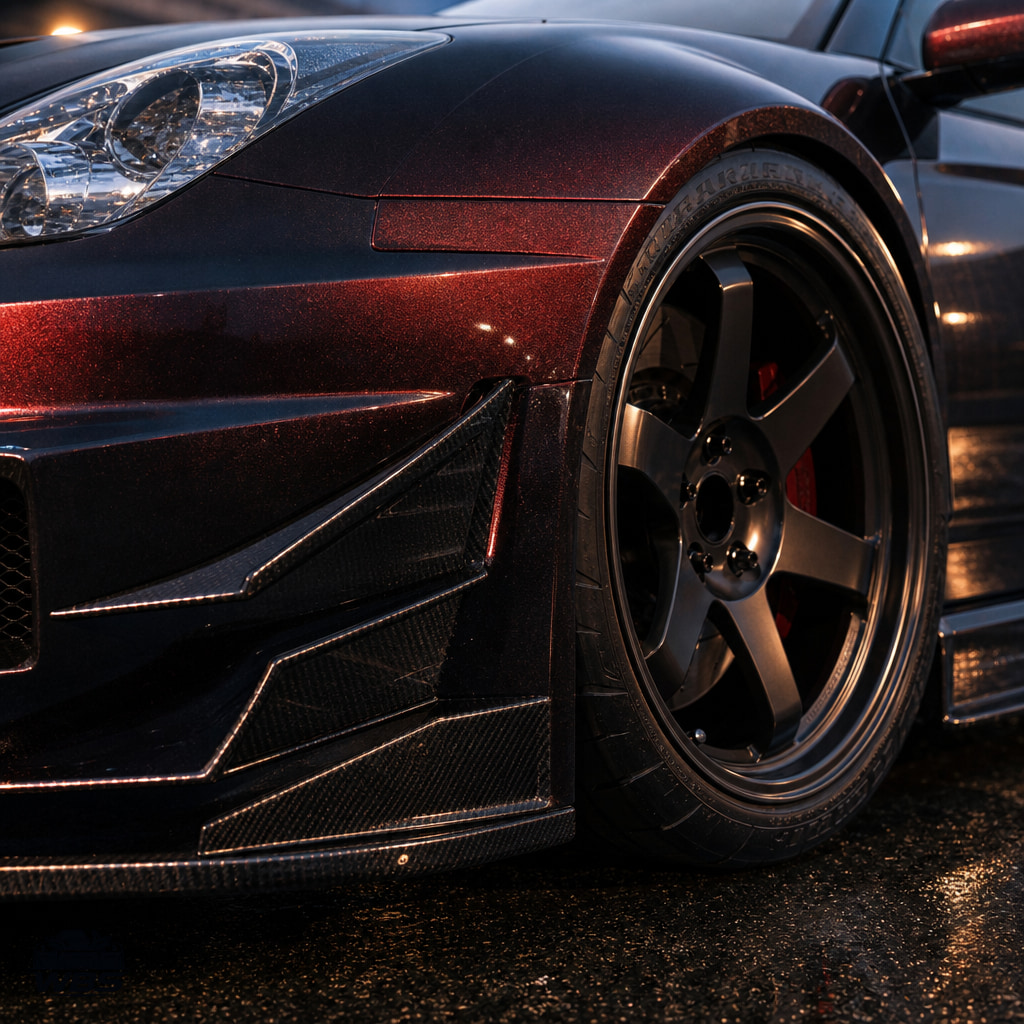
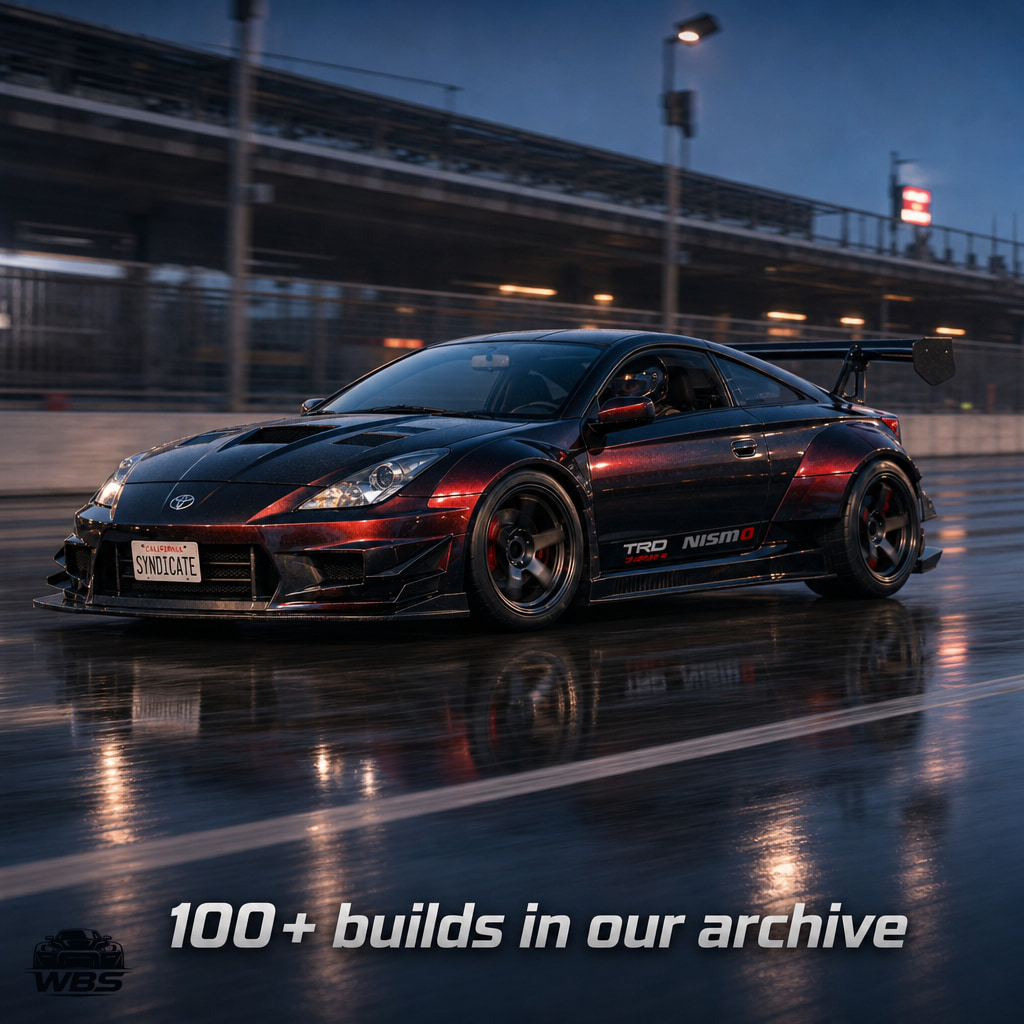
Fusion Strike Initiative treats the 2001 Celica GT-S like a chassis worth re-engineering, not just dressing up. The fastback silhouette stays recognizable, but everything around it is widened, squared-off, and purpose-driven: 115mm front and 155mm rear quarters wrapped around real tire, real track width, and real brake cooling paths.
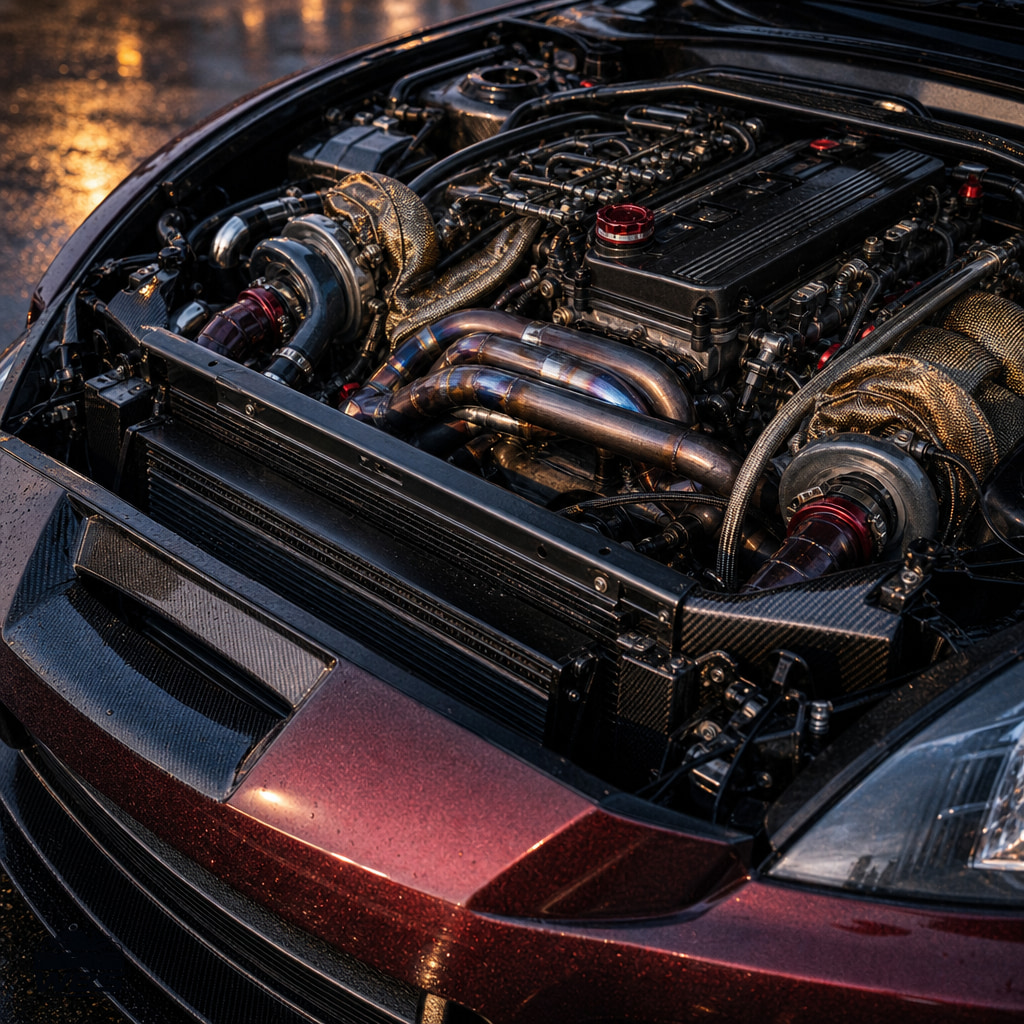
The headline is packaging—pushing a turbo 3S-GTE back into a front-mid position and pairing it with an AWD concept that prioritizes traction and repeatability over dyno drama. It reads like a tuner-era “what if,” but it’s built on the same fundamentals that make time attack cars work: thermal control, aero balance, and a chassis that can actually use the grip it’s given.
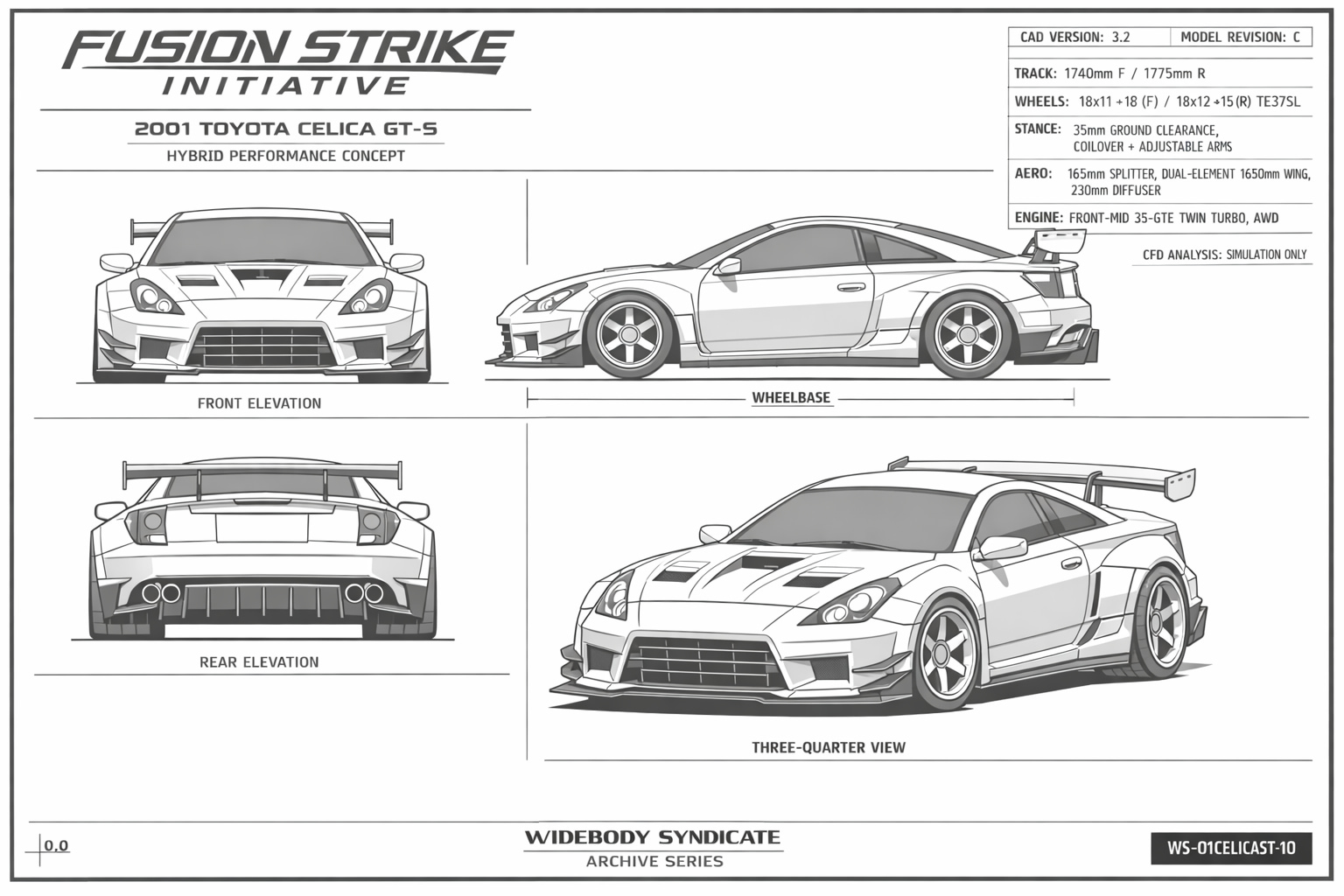 Inspect drawing ↗Open blueprint study →
Fictional engineering concept
2001 Toyota Celica GT-S
Turbocharged Toyota 3S-GTE relocated to front-mid position behind the front axle line
AWD drivetrain concept inspired by performance FR/AWD packaging (custom propshaft, center coupling, rear differential)
High-capacity intercooling and radiator stack fed by the main bumper inlet and fender ducting
Ceramic-housed turbo hardware prioritized for heat management and response over peak boost figures
165mm forward splitter with integrated endplated dive planes for front balance
Brake cooling inlets and under-arch vent exits to evacuate rotor heat and wheel-well pressure
Full-length side skirts with ground-effect shelf and rearward taper
Multi-fin rear diffuser extending 230mm with integrated dual exhaust outlets
Dual-element swan-neck rear wing with adjustable attack angle (8°–16°) for track trim
2001 Toyota Celica GT-S
Volk Racing TE37SL forged: 18x11 +18 front, 18x12 +15 rear
Toyo R888R: 315/30ZR18 front, 335/30ZR18 rear
Track widths pushed to 1740mm front / 1775mm rear to match the widebody’s intent
Front-mid engine mount structure and firewall/trans tunnel rework to support drivetrain alignment and service access
Ducted cooling architecture: sealed inlet paths, controlled exits, and wheel-well pressure relief via louvers
Widebody integration designed as a cohesive skin—skirts blended into quarters to avoid seam turbulence
Rear aero mounting reinforced at hatch/strut tower area to carry wing loads without flex
Continue this wave
2007 Land Rover Range Rover
 Continue the exhibitionStreet ScienceI told the team we were building “street cars.Build 1 of 6↗